Host-microbiome relationship in depression: Can human induced pluripotent stem cells play a role in unravelling mechanisms?
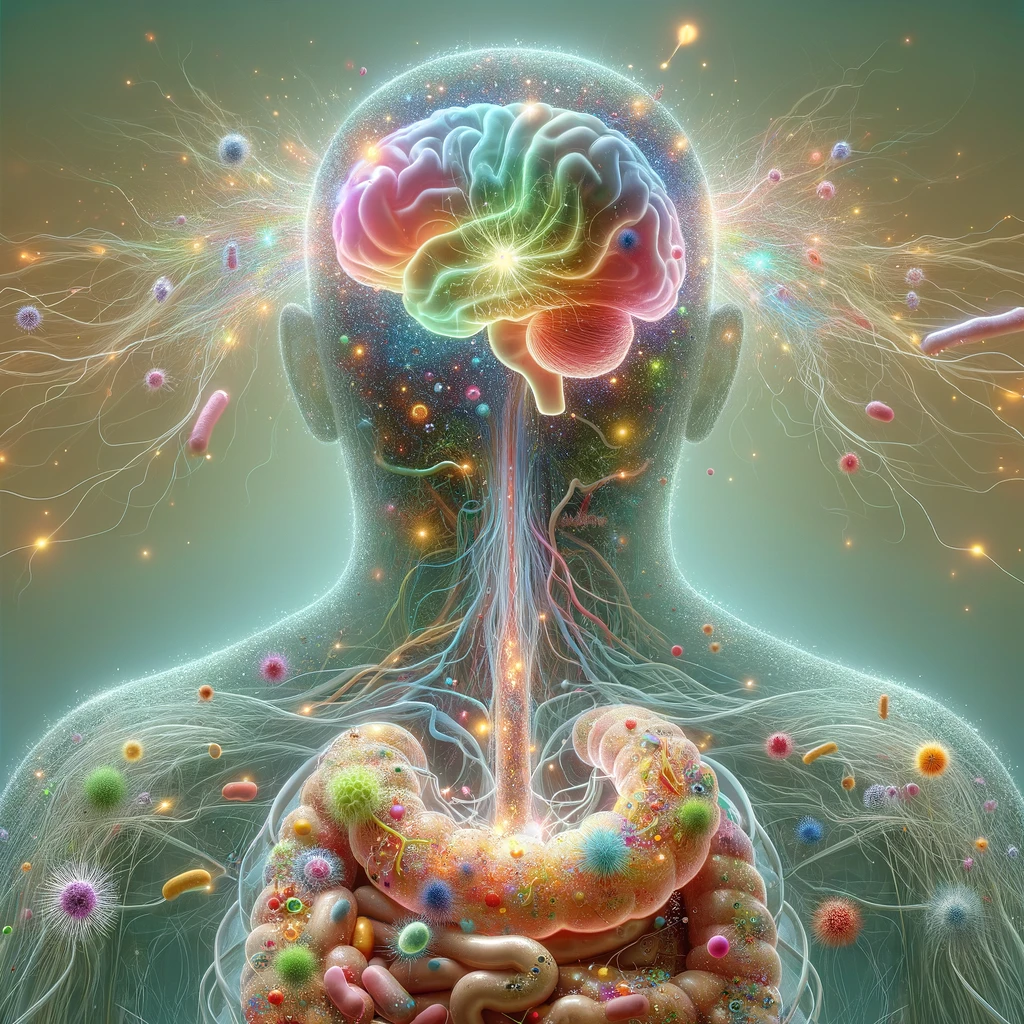
Many people suffer from depression, and the available treatments are ineffective for many of them. Recent findings highlight the crucial role of the gut microbiota in the development of depression, presenting promising new directions for therapy. To fully understand these mechanisms and identify effective treatment targets, research involving human subjects is critical. Because direct access to the central nervous system (CNS) is limited, human induced pluripotent stem cells (hiPSCs) provide a valuable alternative model. This review by Rosell-Cardona et al. (2025) discusses the growing use of hiPSCs in studying the MGBA and their potential to advance research into depression. [NPID: Depression, gut microbiota, microbiota-gut-brain axis, hiPSCs, central nervous system, stem cell models, treatment resistance, neurobiology, therapeutic targets]
Year: 2025
Reference: Rosell-Cardona, C., Cryan, J. F., Clarke, G., & Kittel-Schneider, S. (2025). Host-microbiome relationship in depression: Can human induced pluripotent stem cells play a role in unravelling mechanisms? Npj Biofilms and Microbiomes, 11(1), 117. https://doi.org/10.1038/s41522-025-00749-z
Related Studies
This 2021 article discusses loneliness and wisdom, two characteristics that have opposite effects on health and well-being. While loneliness is linked with increased morbidity and mortality, wisdom correlates with better health. This present study was organized to determine if loneliness and wisdom have any associations with the community of microbes in the gut (called the […]
The gut microbiome is a rising avenue for interventional management of mental health. This review by Berding and Cryan (2022) provides an overview of the latest scientific breakthroughs in the use of microbiome-targeted modalities for mental health management. Examples of discussed breakthroughs include the use of probiotics, prebiotics, synbiotics, fecal microbiota transplant and dietary interventions. […]