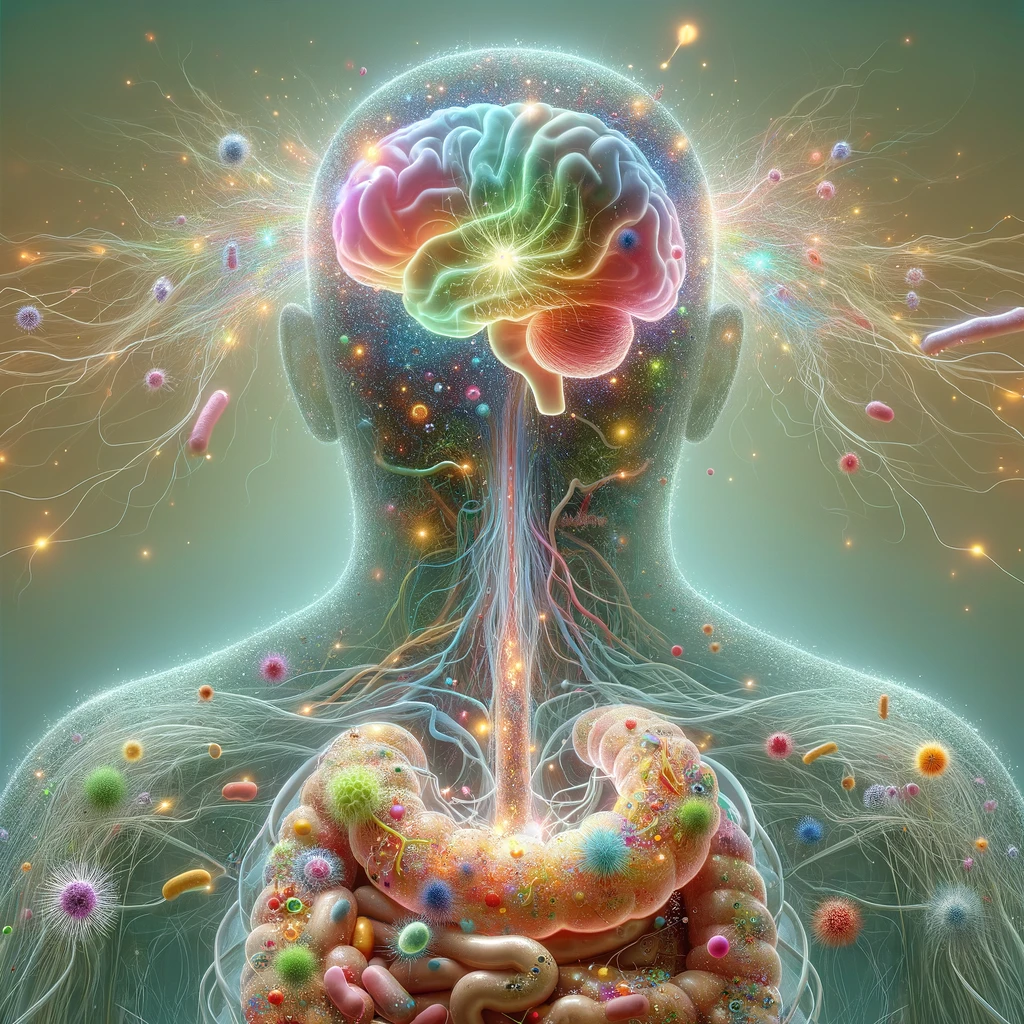
The CNP Microbiota-Gut-Brain Axis(MGBA) & Mental HealthResearch Category consolidates research exploring the interconnected relationship between dietary intake, the microbiome, and the gut-brain axis in the adult population. To view each original study on the open internet, click “Original.” To view the CNP-written abstract summary, click “CNP Summary.” While only some of the CNP-written abstract summaries are available below for free, all abstract summaries are available to CNP members through the CNP Library Membership.
Gut microbiota’s effect on mental health: The gut-brain axis
Clapp et al. (2017) describe the increasing evidence showing bidirectional communication between the central nervous system and gut microbiota (referred to as the gut-brain-axis), and associating these microbiota in the gut with gastrointestinal and extragastrointestinal diseases. Since dysbiosis and inflammation of the gut has been linked to the predisposition of several mental illnesses including anxiety and depression, probiotics have been proposed to potentially treat or prevent anxiety and depression due to its ability to restore normal microbial balance. The aim of this review was to discuss the development of the gut microbiota, the connection between dysbiosis with anxiety and depression, and the possible clinical applications of probiotics. [NPID: psychiatric illnesses, MGBA, gut-brain axis, gut microbiome, central nervous system, gastrointestinal diseases, GI tract, dysbiosis, anxiety, depression, microbial balance, anxiety, depression, probiotics]
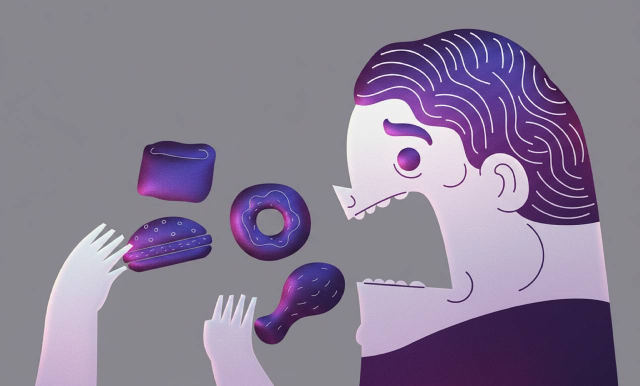
Discriminating experiences are linked to poor health consequences, including obesity. The exact processes by which prejudice causes obesity are yet unknown. Zhang et al. (2023) examined the effects of discriminating exposures on the brain’s responsiveness to food pictures and related dysregulations in the brain-gut-microbiome pathway using multi-omics studies of neuroimaging and fecal metabolites. The authors […]
The interactions between the intestinal microbiome and nervous signaling play a role in modulating dietary intake through its influence on the hypothalamic hunger and satiety/satiation drivers. Imbalances in food intake is one of the reasons behind lipid accumulation and obesity. However, dietary intake is influenced by voluntary mechanisms spurred by hedonic and reward systems that […]
We would also love to connect with you on social media!
Stay Informed
Subscribe to our monthly NEWSLETTER for the latest information on nutritional psychology courses and developments within CNP.
We use cookies to ensure that we give you the best experience on our website. If you continue to use this site we will assume that you are happy with it.