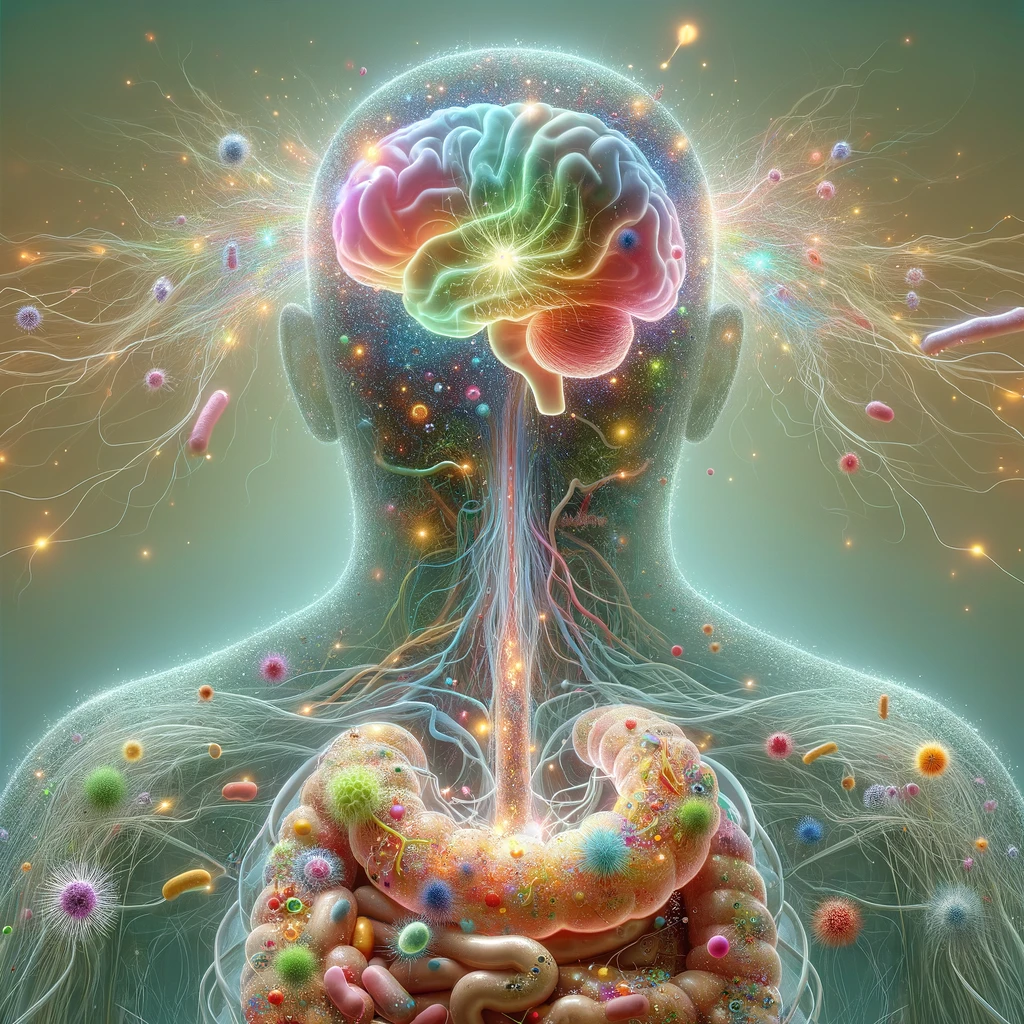
Gut microbiota and eating behaviour in circadian syndrome
Eating behavior and circadian rhythms are closely interconnected. The type, timing, and amount of food consumed, along with the host’s circadian rhythms, directly affect the gut microbiota, which in turn influences circadian rhythms and regulates food intake beyond basic hunger responses. This opinion discussion by Soliz-Rueda et al. (2024) explores the effects of gut-brain axis signaling on food intake and circadian rhythm abnormalities brought on by an obesogenic environment. It also delves into potential mechanisms through which changes in gut microbiota affect food intake behavior and circadian rhythm regulation. Addressing the obesity epidemic, which continues to be one of the biggest problems facing society today, requires an understanding of the relationships that exist between gut bacteria, circadian rhythms, and bad eating habits. [NPID: Appetite, circadian rhythms, eating behavior, lifestyle, metabolic homeostasis, microbiota–gut–brain axis]
Year: 2024
Reference: Soliz-Rueda, J. R., Cuesta-Marti, C., O’Mahony, S. M., Clarke, G., Schellekens, H., & Muguerza, B. (2024). Gut microbiota and eating behaviour in circadian syndrome. Trends in Endocrinology & Metabolism. https://doi.org/10.1016/j.tem.2024.07.008
Related Studies
Whole food supplementation techniques have been used to address mental health throughout the last 20 years. Furthermore, the capacity of gut bacteria, also known as psychobiotics, to influence behavior favorably through the microbiota-gut-brain axis has drawn increased attention. Foods that have undergone fermentation provide a comprehensive whole-food microbiota-modifying intervention. Fermented foods (FF) were found to […]
Metabolomics offers a thorough method for assessing the pathophysiology of complex disorders like depression since it reflects the whole impact of genetic and environmental factors. Amin et al. (2023) conducted this study to analyze the interaction between the human gut microbiota and metabolome in the development of major depressive disorder (MDD), determine the metabolic fingerprints […]
 Navigation