Navigation


From gut to brain: data-driven evidence suggests causal contribution of gut-microbiota to major depressive disorder in humans
Major Depressive Disorder (MDD) is recognized as one of the leading sources of disability globally, with a significant prevalence and severity. While existing animal research hints at the gut microbiome’s involvement in MDD, human studies have often been limited due to factors such as small participant numbers, varied clinical assessments, and the challenges in establishing causal links from cross-sectional data. This investigation aims to clarify these issues and explore the relationship between the gut microbiome and MDD.
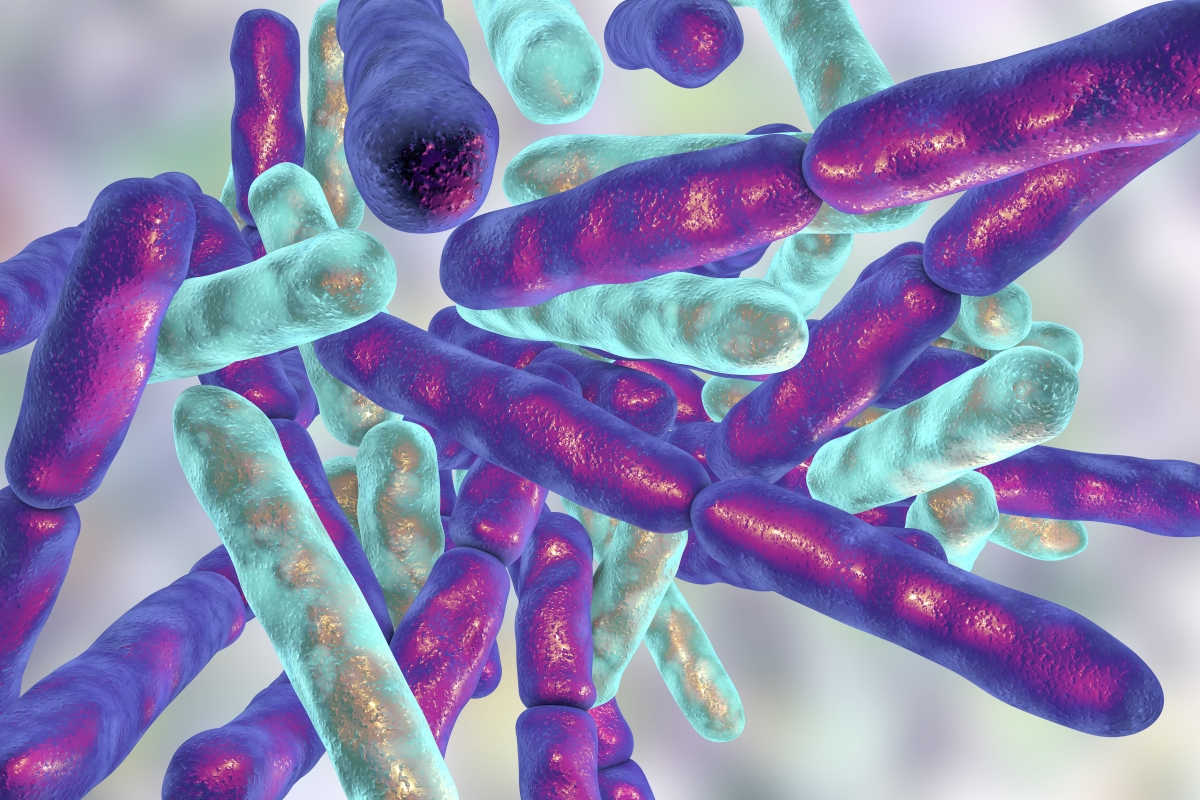
The research utilizes one of the largest multicenter cohorts, consisting of 1,269 individuals diagnosed with MDD and healthy controls, to replicate earlier findings regarding microbiome-depression associations. Results indicated a notable difference in the abundance of four specific gut taxa: Eggerthella, Hungatella, Coprobacillus, and Lachnospiraceae FCS020, between the two groups.
To rigorously assess causality, the study applied advanced causal inference tools based on Judea Pearl’s framework, which enables model constraints to derive directly from data instead of relying on potentially flawed assumptions. The analysis provided evidence that Eggerthella and Hungatella may serve as causal factors in the development of MDD. Notably, these potential causal effects remained significant even when controlling for body mass index, suggesting distinct pathways through which gut microbiota may influence MDD.
Additionally, the observed differences in the relative abundance of these taxa between healthy individuals and those with MDD were found to be independent of any antidepressant medication taken by participants. This research presents the first well-supported, data-driven evidence indicating a potential causal relationship between gut microbiota and the pathophysiology of depression in humans. [NPID: Major Depressive Disorder, microbiome, Eggerthella, microbiome-depression, gut taxa]
Year: 2026