Food components and dietary habits: Keys for a healthy gut microbiota composition
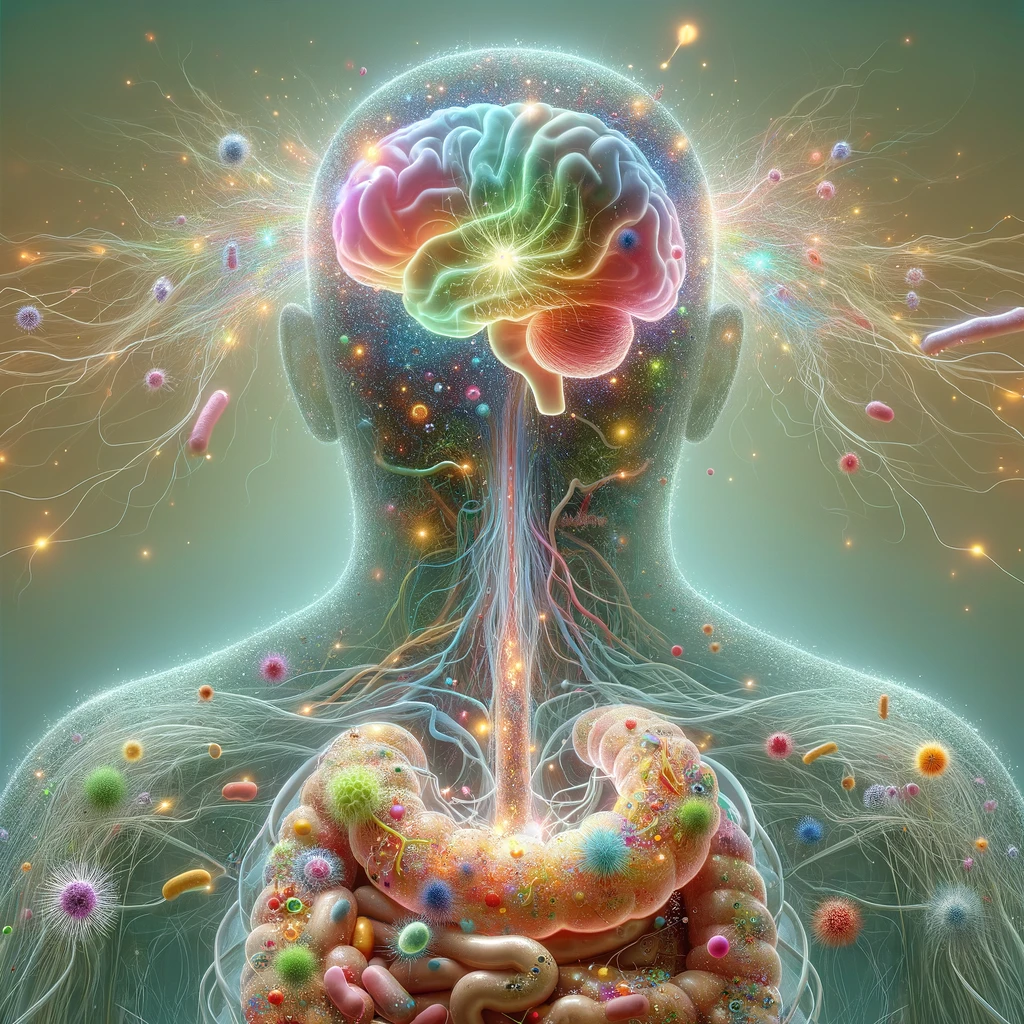
Rinninella et al. (2019) state that the effects of these modern dietary habits and diets have on the microbiota in the gut are not fully understood yet, and it is possible that the intestinal barrier and the immune system can become compromised as a result. The aim of this review was to examine the impact of various components of foods (such as salt and food additives) and of a variety of dietary habits (vegan and vegetarian, gluten-free, ketogenic, high sugar, low FODMAP, Western-type, and Mediterranean diets) on gut microbiota composition, in the hopes of determining the optimal diet for a healthy assortment of gut microbiota. [NPID: microbiome, MGBA, gut-brain axis, gut microbiome, GI tract, intestinal barrier, immune system, salt, food additives]
Year: 2019
Reference: Rinninella, E., Cintoni, M., Raoul, P., Lopetuso, L. R., Scaldaferri, F., Pulcini, G., Miggiano, G., Gasbarrini, A., & Mele, M. C. (2019). Food Components and Dietary Habits: Keys for a Healthy Gut Microbiota Composition. Nutrients, 11(10), 2393. https://doi.org/10.3390/nu11102393
Related Studies
Current literature postulates that the traits energy and fatigue are distinct unipolar temperaments with definite mental and physical elements (where traits i.e., subjective characteristics of thought and behavior). In this exploratory study by Boolani et al. (2022), the interaction between mental energy (ME), mental fatigue (MF), physical energy (PE), physical fatigue (PF), and the gut […]
The gastrointestinal tract and the central nervous system communicate in both directions through the gut-brain axis (GBA), which is essential for controlling mental health and overall well-being. Diet has a profound influence on the gut microbiome, which in turn affects emotional, cognitive, and neurological functions. This review by Patil & Mehdi (2025) examines how certain […]