 Navigation


Dietary patterns and emotion dysregulation in borderline personality disorder and eating disorders as a shared mechanism underlying symptom severity
This research article examines the comorbidity of Borderline Personality Disorder (BPD) and Eating Disorders (EDs), focusing on the shared characteristic of emotion dysregulation (EDys). The study involved female inpatients diagnosed with BPD (n = 40), ED (n = 22), BPD with comorbid ED (BPD + ED; n = 37), and a control group of healthy individuals (HCs; n = 37). Participants completed the Food Frequency Questionnaire (FFQ-6), Emotion Dysregulation Scale (EDS), and various clinical self-report measures.
Results indicated that dietary patterns significantly differed among groups, with clinical populations consuming omega-3 polyunsaturated fatty acids and Mediterranean diet (MD) foods less frequently than HCs. Furthermore, EDys was found to fully mediate the relationship between dietary patterns and symptom severity in most models, and this mediation was partial when examining omega-3 intake’s effect on ED severity, specifically in the ED group. Notably, women with BPD and BPD + ED exhibited poorer diet quality, particularly in relation to omega-3 and MD-aligned foods.
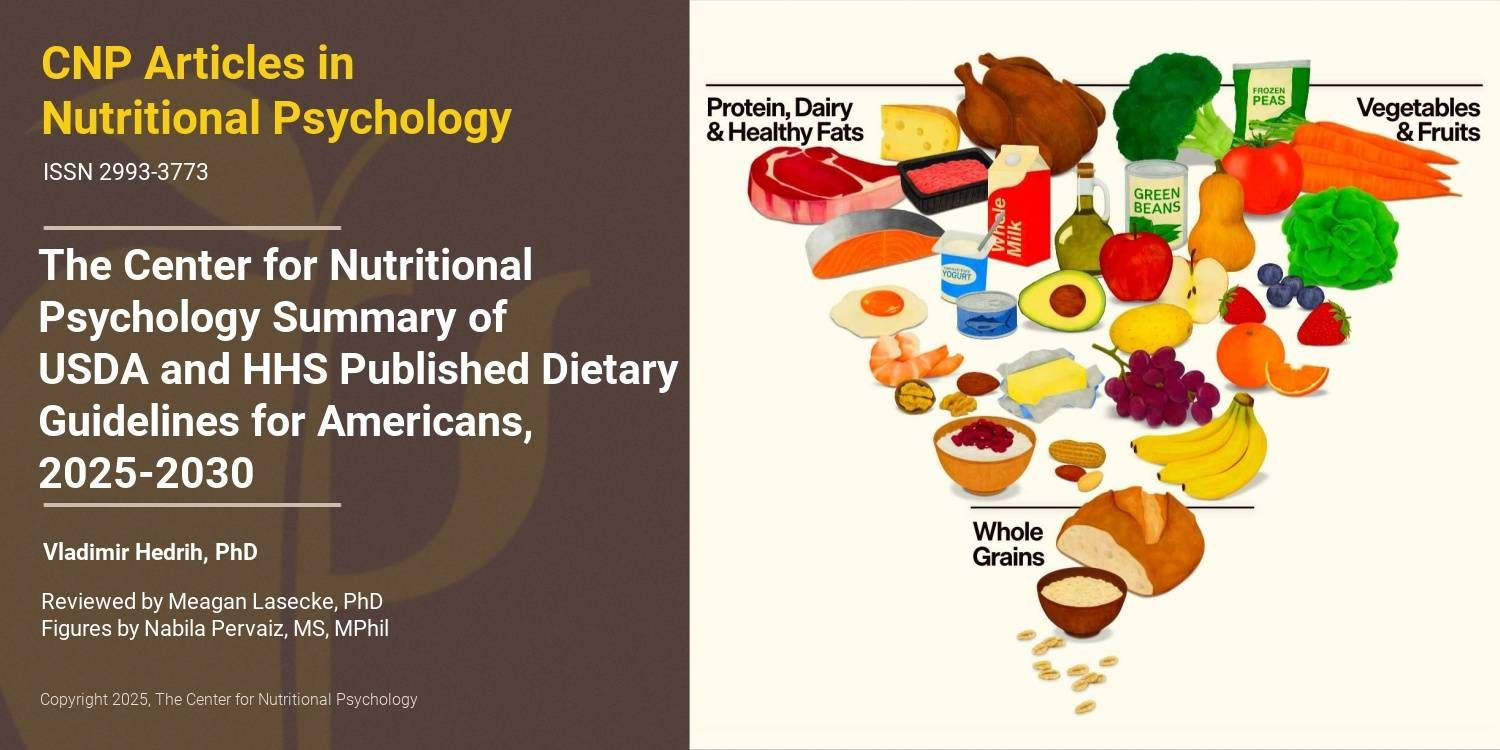
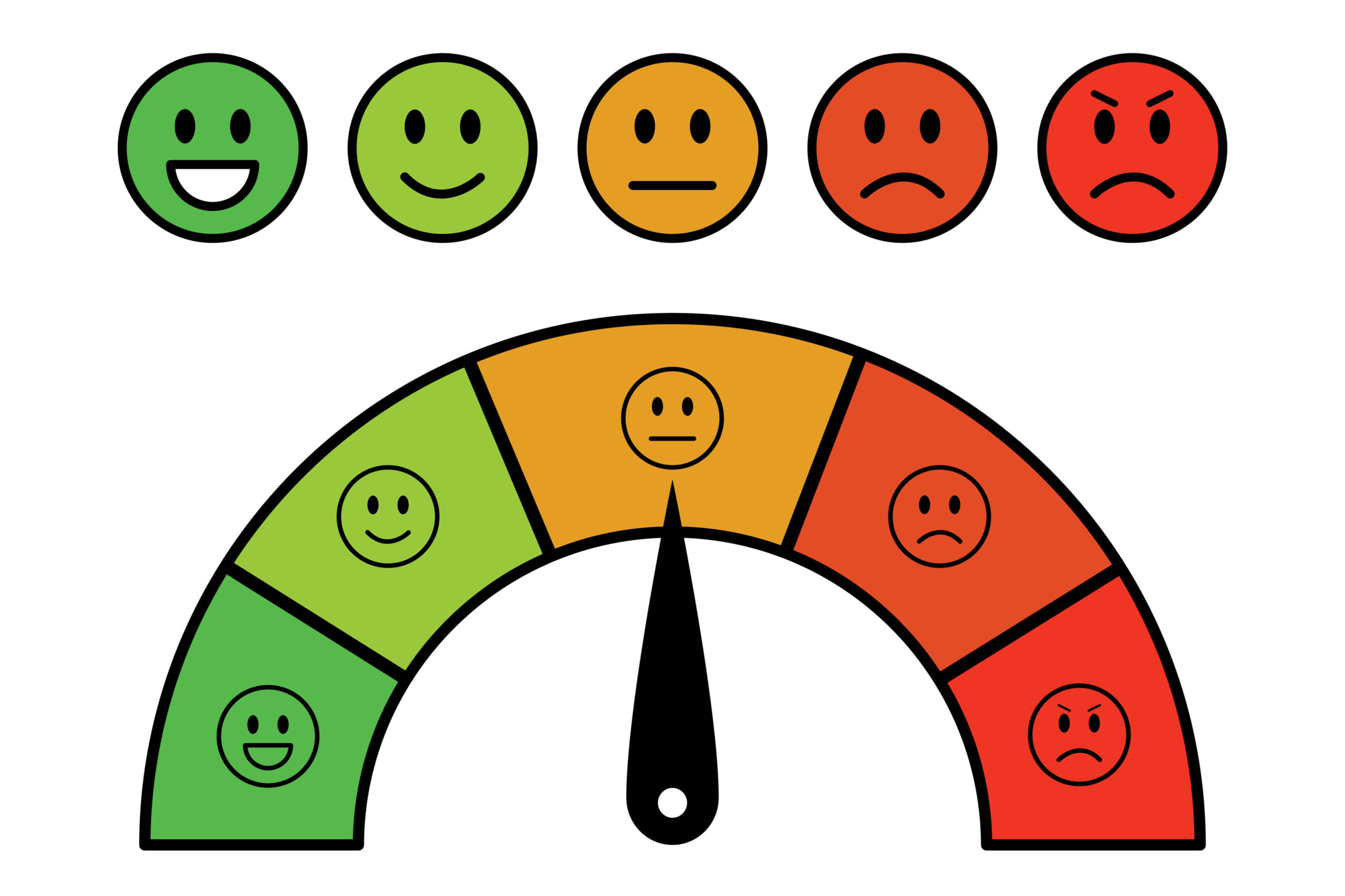
The findings suggest that EDys serves as a transdiagnostic mechanism linking low-quality diet to increased symptom severity. Consequently, nutritional interventions may serve as a beneficial approach to improve emotion regulation and potentially mitigate the persistence of BPD and ED symptoms. [NPID: Emotion dysregulation, Borderline Personality Disorder, Eating Disorders, omega-3, Mediterranean Diet]
Year: 2026