 Navigation


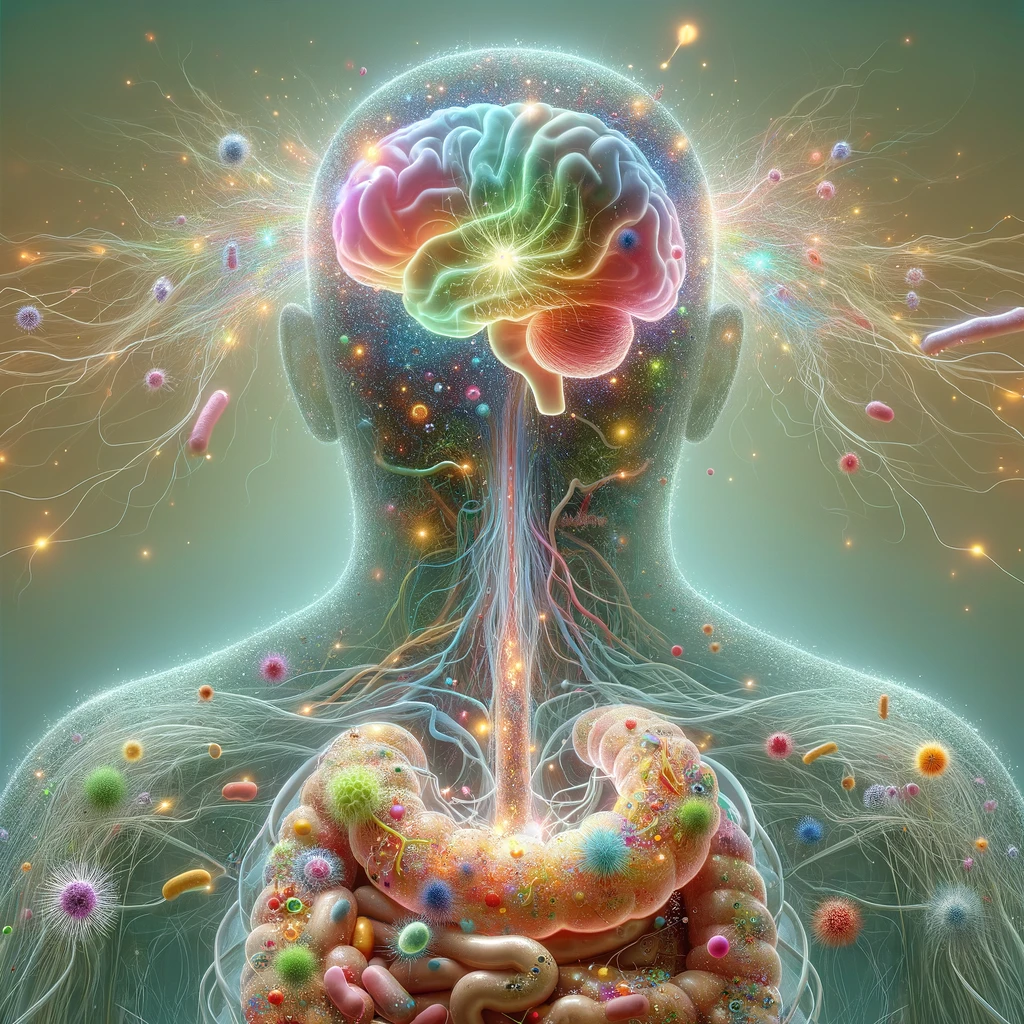
Translocation of bacteria from the gut to the brain in mice
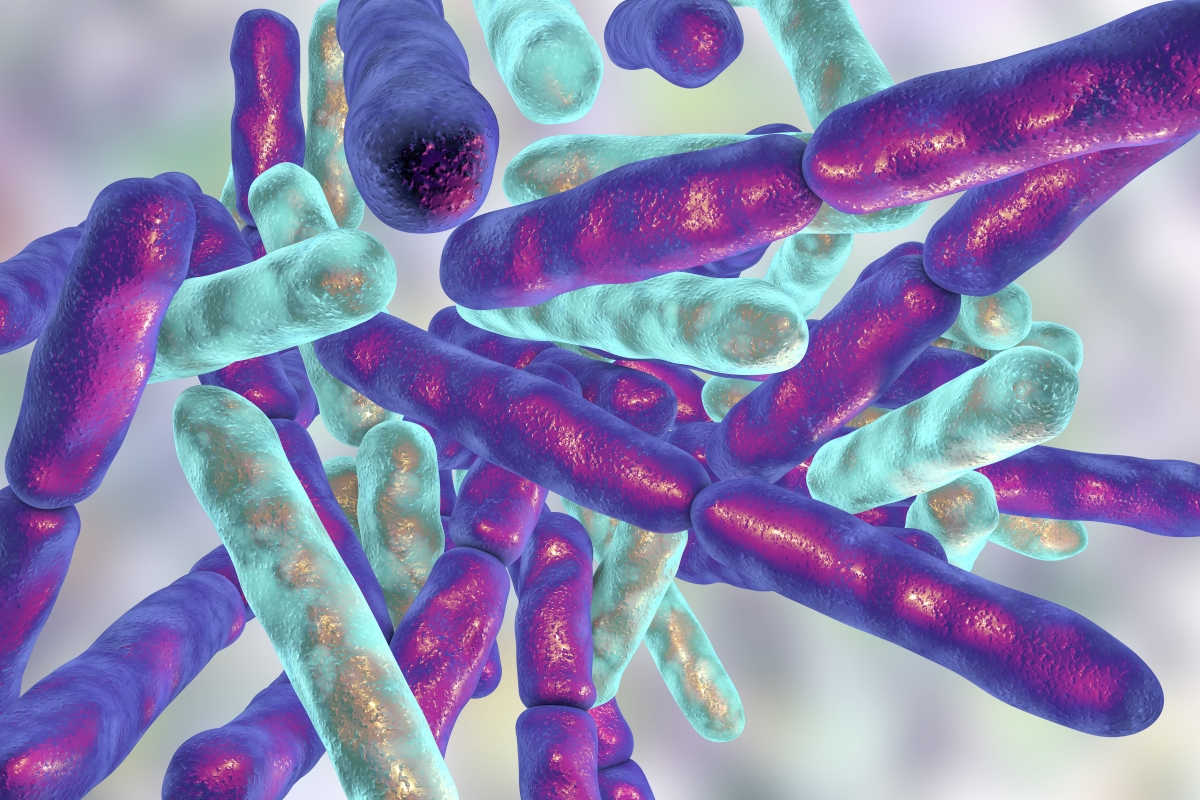
Recent research indicates a significant correlation between gut dysbiosis and neurological diseases, yet the mechanisms by which gut bacteria influence brain function remain poorly understood. This study elucidates that gut bacteria can translocate to the brain in limited quantities when mice are subjected to an atherogenic high-fat diet (Paigen diet), which alters the gut microbiome and increases gut barrier permeability.
Notably, the translocated bacteria were found exclusively in the vagus nerve, not in other systemic sites or the bloodstream. The reduction of bacterial presence in the brain following right cervical vagotomy underscores the vagus nerve’s role as a pathway for bacterial translocation. Additionally, antibiotic treatment significantly disrupted the gut microbiome composition, which correspondingly influenced the types of bacteria that localized to the brain during Paigen diet feeding.
To reinforce the gut’s role as the source of bacterial translocation, the introduction of exogenous Enterobacter cloacae into the Paigen diet-fed mice revealed its presence in both the gut and brain. Germ-free mice monocolonized with E. cloacae exhibited brain localization of the bacterium exclusively when fed the Paigen diet, while a return to a standard diet reversed this localization.
Furthermore, bacteria were also detected in the brains of murine models of Alzheimer’s, Parkinson’s, and autism spectrum disorder when maintained on a standard diet. These findings establish a gut-brain bacterial translocation axis influenced by dietary and genetic factors, warranting further exploration into its implications for human health and its potential role in various neurological conditions. [NPID: Gut dysbiosis, neurological disease, permeability, vagus nerve, translocation]
Year: 2026