Navigation


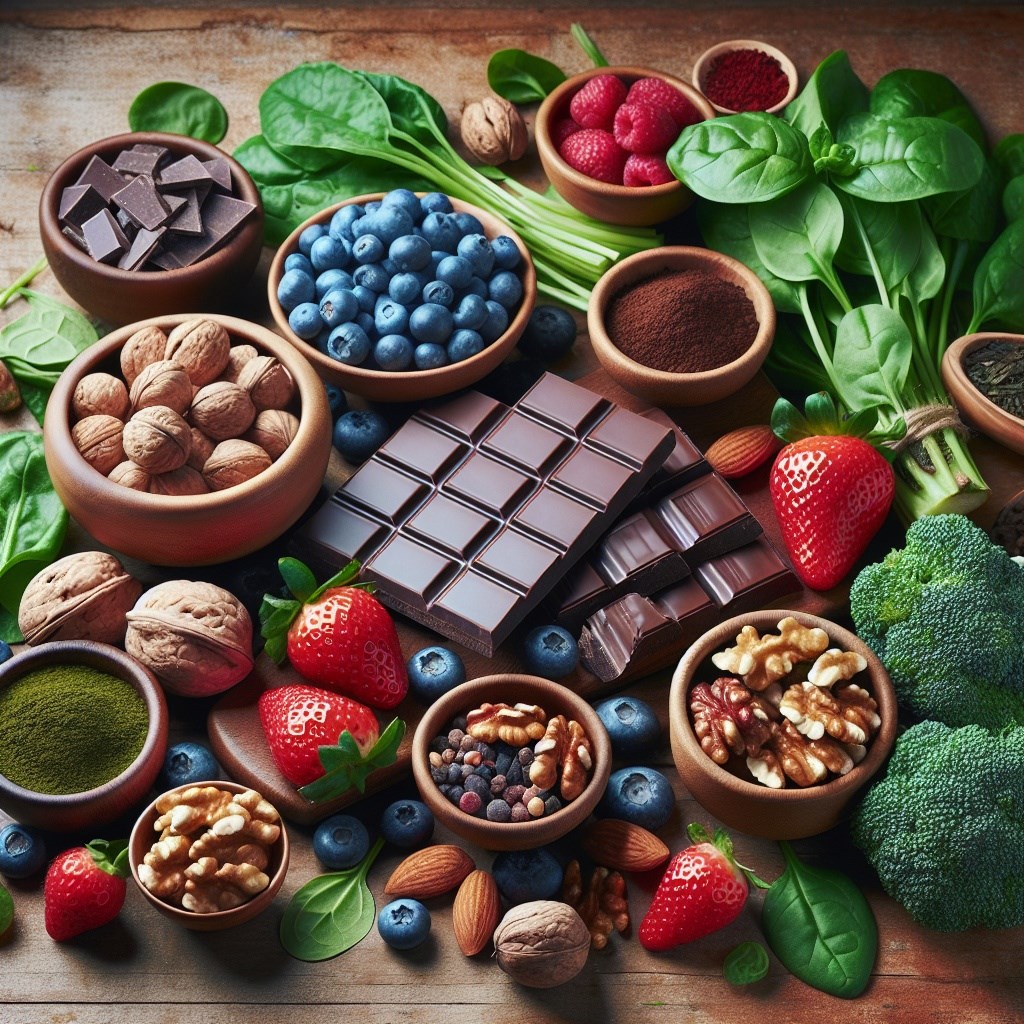
Ancestral food sources rich in polyphenols, their metabolism, and the potential influence of gut microbiota in the management of depression and anxiety
Recently, the links connecting the diet we consume to our risk of experiencing mental disorders has gained significant attention, especially during the days of COVID-19 preventative measures and lockdowns. In this review, Álvarez et al. (2022) summarizes studies from popular repositories (Scopus, PubMed, and Google Scholar) to salvage data relating to ancestral diets (containing flowers, seeds, herbaceous plants, fungi, leaves, and tree barks) and the promotion of mental health. In the past, ancestral diets were components of human dietary patterns and affected foraging behaviors across several ecosystems. The authors comment that our comprehension of ancestral diets has deteriorated across generations, and thus this work sought to highlight food matrices used for nutritional or curative reasons, endorsed for their anxiolytic and antidepressant properties, and outline the role of metabolism and gut microbiome in transforming bioactive compounds in diet, in particular, polyphenols. [NPID: Ancestral food, anxiety, depression, microbiota, polyphenols]
Year: 2022