Navigation



The gut-brain axis as a therapeutic target in alcohol use disorder: dietary fiber, intestinal barrier integrity, and neuroinflammatory mechanisms underlying depression
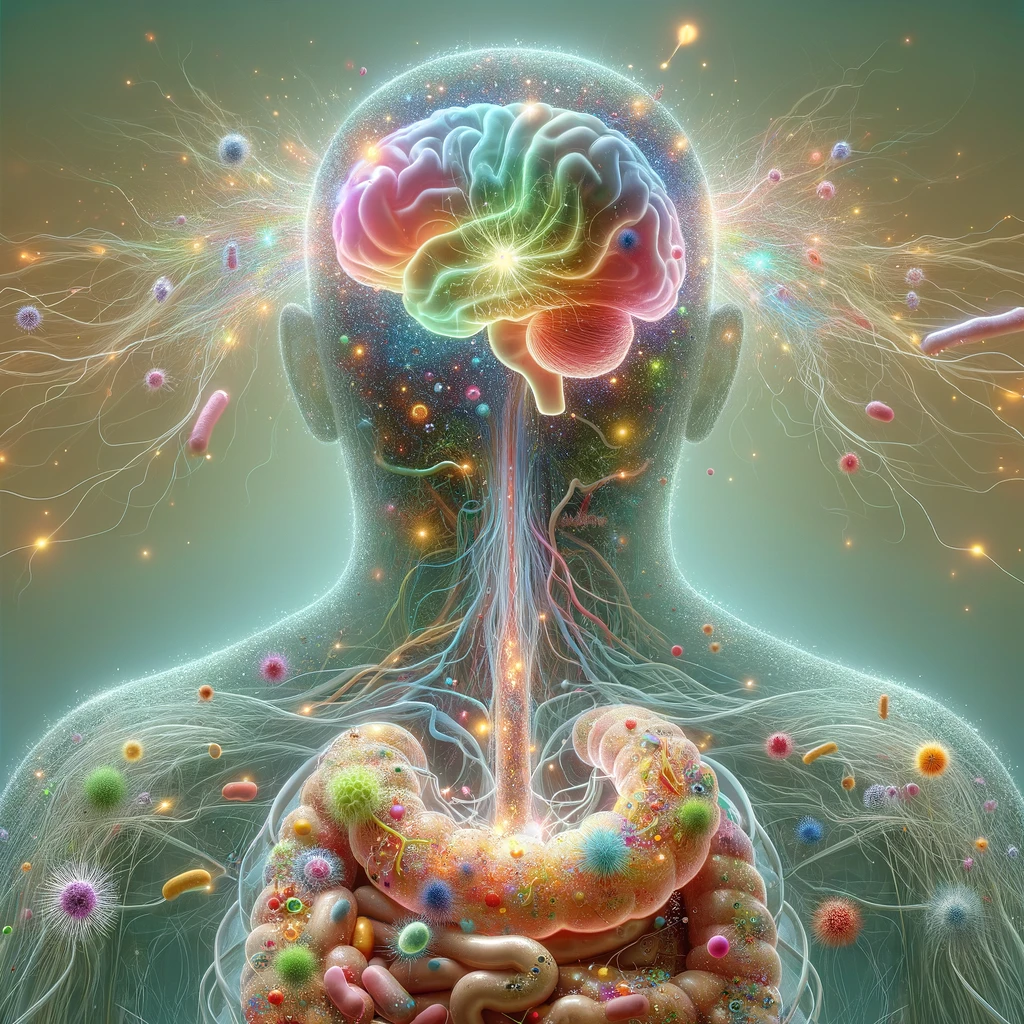
The connection between alcohol use disorder and major depressive disorder is significant, yet the underlying biological mechanisms remain poorly defined. Research has increasingly indicated that chronic alcohol consumption adversely affects the gut-brain axis. Specifically, it disrupts intestinal tight junctions and leads to gut dysbiosis, characterized by a reduction in the abundance of bacteria that produce short-chain fatty acids. This disruption compromises the integrity of the intestinal barrier, potentially allowing bacterial lipopolysaccharides to enter the bloodstream. Such translocation may trigger neuroinflammation in both peripheral and central systems via pathways dependent on Toll-like receptor 4.
The consequences of these neuroinflammatory processes can persist even during abstinence from alcohol, impacting the dysregulation of critical neurotransmitter systems, including glutamatergic, dopaminergic, and serotonergic pathways. These alterations are associated with depressive symptoms and an increased risk of relapse.
The article suggests that dysfunction within the intestinal barrier may serve as a crucial upstream mechanism that links alcohol-related gut dysbiosis to neuroinflammation, depression, and heightened vulnerability to relapse. To counteract these effects, dietary fiber supplementation emerges as a promising nutritional intervention. This strategy may enhance endogenous butyrate production, improve intestinal barrier integrity, and mitigate neuroinflammatory signaling. The authors evaluate existing preclinical and clinical evidence for this approach and outline essential areas for future research, aiming to deepen the understanding of these complex interactions. [NPID: Substance use disorder (SUD), intestinal permeability, gut dysbiosis, neuroinflammation, relapse, gut-brain-axis]
Year: 2026