 Navigation


Frequent Consumption of Ultra-Processed Foods is Associated with Worse Overall Well-Being
Listen to this Article
- An analysis of Global Mind Project data spanning 60 countries, published in Frontiers in Nutrition, found that frequent consumption of ultra-processed foods is associated with worse overall mental well-being.
- Major contributors to this link were increased symptoms of depression and challenges with emotional and cognitive control.
- The burden of mental distress linked to ultra-processed food consumption in the United States and the core anglosphere was higher than the global average.
An old proverb says: “An apple a day keeps the doctor away”. Of course, this proverb does not mean that apples have magical properties, but rather that a balanced and nutritious diet supports overall health and reduces the need for medical treatment (hence the part about keeping the doctor away). The general idea is that small, healthy daily nutritional habits can help protect an individual from more serious health problems later in life.
The era of ultra-processed foods
For most of human history, humanity struggled with obtaining enough food to feed everyone. Famines used to be a recurring occurrence worldwide. This only radically changed in the last 100 years with advances in agricultural production, food preservation, and global trade, leading to what became known as the Green Revolution.
However, during this period, industrial food production also developed, alongside industrial agriculture. Among other things, this included the production of what became known as ultra-processed foods. Ultra-processed foods are industrially manufactured food products that contain ingredients not typically used in home cooking. These include artificial flavors, preservatives, emulsifiers, and colorings. Ultra-processed foods are typically made from industrial formulations of substances extracted from foods (such as oils, sugars, starches, and proteins), with little to no intact whole-food content. Ultra-processed foods are designed to be convenient, palatable, and long-lasting (Hedrih, 2024a, 2025; Monteiro et al., 2019) (see Figure 1).
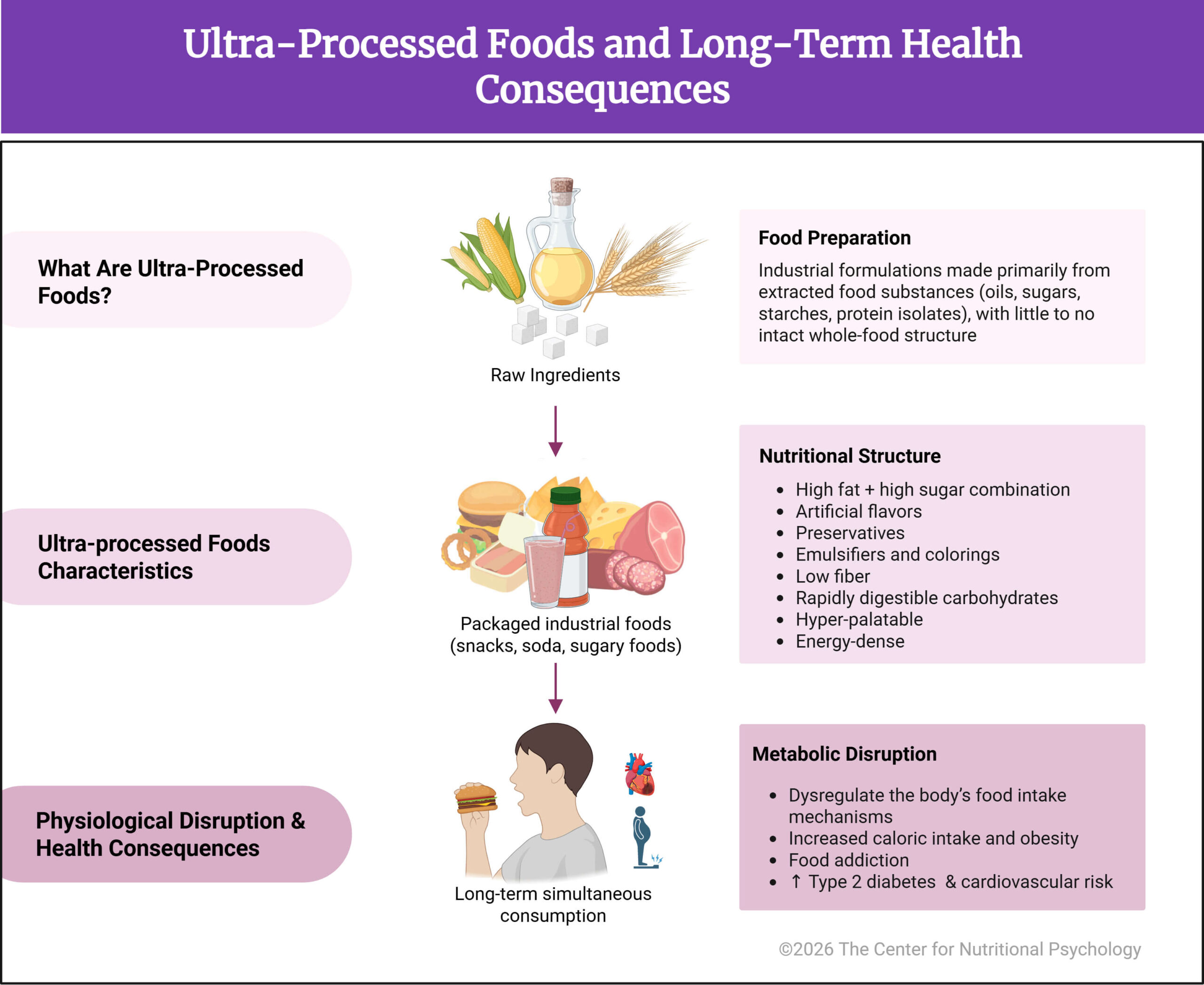
Figure 1: Ultra-Processed foods and long-term health consequences
Over the past several decades, the sale and consumption of ultra-processed foods have increased significantly worldwide, indicating a global shift in human dietary patterns (Baker et al., 2020; Juul et al., 2022; Juul & Hemmingsson, 2015).
Ultra-processed foods are typically made from industrial formulations of substances extracted from foods with little to no intact whole-food content.
Ultra-processed foods and health
Alongside the increasing share of ultra-processed food in the human diet, recent decades have also seen global development of an obesity epidemic (Wong et al., 2022). Among other factors, studies have linked diets based on ultra-processed foods to this rise in obesity.
There is evidence that long-term simultaneous consumption of foods rich in both easily digestible fats and sugars can gradually dysregulate the body’s food-intake regulatory mechanisms, leading to chronically elevated caloric intake and obesity (Hedrih, 2024b; McDougle et al., 2024). In rodent studies, such diets have long been used to induce obesity and are known as obesogenic diets (Ikemoto et al., 1996).
Long-term simultaneous consumption of foods rich in both easily digestible fats and sugars can dysregulate the body’s food intake mechanisms
Studies have also linked increased ultra-processed food consumption with a condition called food addiction, where individuals display symptoms of substance addiction in relation to food, most often leading to obesity (Gearhardt et al., 2023; Hedrih, 2023; Tarman, 2024). Additionally, an increasing amount of research evidence links high levels of ultra-processed food consumption with a whole host of adverse health outcomes, ranging from mental health issues and type 2 diabetes to increased risk of death from cardiovascular diseases (Lane et al., 2024; Samuthpongtorn et al., 2023).
The current study
Study authors Jerzy Bala and his colleagues sought to examine the association between the frequency of ultra-processed food consumption and overall mental well-being, while controlling for various life context factors (Bala et al., 2025). They analyzed data from the Global Mind Project, an ongoing repository of mental well-being and life context data collected through an online assessment called the Mind Health Quotient.
Data used in this analysis came from 400,787 participating adults from 60 different countries who completed the assessment in 2023. By completing the Mind Health Quotient assessment, these individuals provided data related to 10 major mental health disorders, but also reported information about their demographic characteristics, lifestyle behaviors, social relationships, inter-personal trauma experiences, life adversities, medical conditions, substance use, and diet.
Information about participants’ consumption of ultra-processed foods was derived from their answers to the question ‘How often do you eat processed, packaged, or fast food that is not made from fresh ingredients? e.g., McDonald’s, Domino’s, microwave meals, processed canned foods, deli meats/cold cuts, noodles in a cup, packaged crisps/chips, sweets/candies, sodas/fizzy drinks.
Frequent consumption of ultra-processed foods is associated with worse mental well-being
Study authors used various mental health indicators to create a global measure of mental well-being covering a spectrum ranging from Distressed to Thriving. The answers of 28% of participants indicated clinical mental distress levels. 31% of participants reported consuming ultra-processed foods at least once a week.
Individuals who consumed a lot of ultra-processed foods tended to have worse mental well-being. The share of participants whose mental well-being was classified as being in clinical distress increased with increasing ultra-processed food consumption. Among participants who reported never or rarely consuming ultra-processed foods, 20% were classified as being in clinical distress. In contrast, in the group of participants with the highest ultra-processed food consumption, 54% of individuals were classified as clinically distressed (see Figure 2).
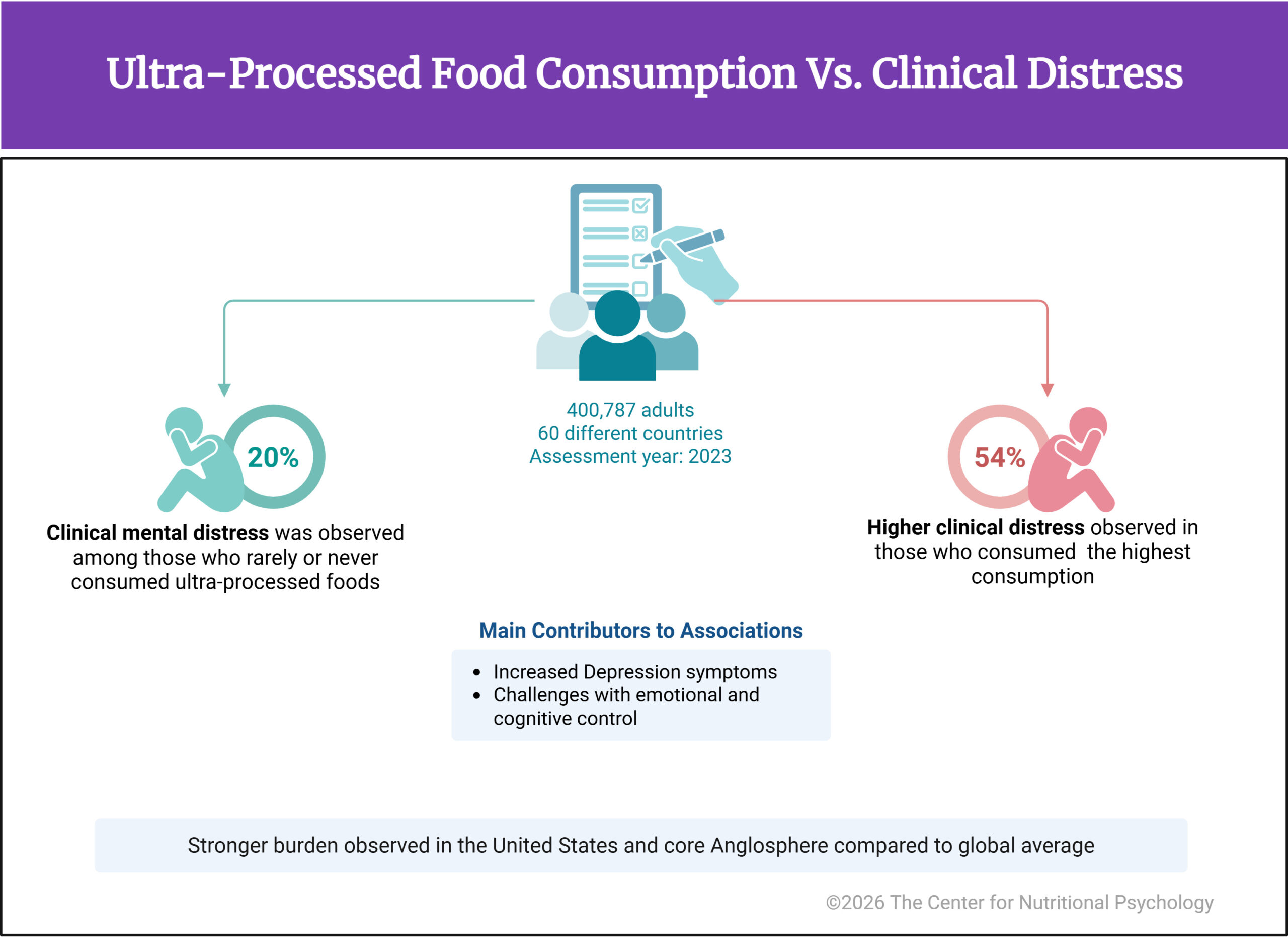
Figure 2. Ultra-Processed Food Consumption Vs. Clinical Distress
The main contributors to this link were increased symptoms of depression and challenges with emotional and cognitive control in individuals reporting more frequent consumption of ultra-processed foods. Study authors also report that the burden of mental distress linked to ultra-processed food consumption in the United States and the core anglosphere was higher than the global average.
Conclusion
This analysis of a global sample of almost half a million participants confirmed that higher consumption of ultra-processed foods is associated with worse mental well-being. However, we should bear in mind that this is a cross-sectional study, which does not allow causal inferences from the results. While more frequent consumption of ultra-processed foods may worsen mental well-being, people with poor mental well-being may be more likely to include ultra-processed foods in their diet because their capacity to prepare nutritious meals from whole foods may be reduced.
Analysis of almost half a million participants confirmed that higher consumption of ultra-processed foods is associated with worse mental well-being.
Regardless of the nature of this association, these findings highlight the need to consider dietary patterns and food access when designing future mental health policies.
The paper “Estimation of the nature and magnitude of mental distress in the population associated with ultra-processed food consumption” was authored by Jerzy Bala , Oleksii Sukhoi, Jennifer Jane Newson, Priscila Pereira Machado, Mark Lawrence, and Tara C. Thiagarajan .
References
Baker, P., Machado, P., Santos, T., Sievert, K., Backholer, K., Hadjikakou, M., Russell, C., Huse, O., Bell, C., Scrinis, G., Worsley, A., Friel, S., & Lawrence, M. (2020). Ultra-processed foods and the nutrition transition: Global, regional and national trends, food systems transformations and political economy drivers. Obesity Reviews, 21(12), e13126. https://doi.org/10.1111/obr.13126
Bala, J., Sukhoi, O., Newson, J. J., Machado, P. P., Lawrence, M., & Thiagarajan, T. C. (2025). Estimation of the nature and magnitude of mental distress in the population associated with ultra-processed food consumption. Frontiers in Nutrition, 12, 1562286. https://doi.org/10.3389/fnut.2025.1562286
Gearhardt, A. N., Bueno, N. B., DiFeliceantonio, A. G., Roberto, C. A., Jiménez-Murcia, S., & Fernandez-Aranda, F. (2023). Social, clinical, and policy implications of ultra-processed food addiction. BMJ, e075354. https://doi.org/10.1136/bmj-2023-075354
Hedrih, V. (2023). Scientists Propose that Ultra-Processed Foods be Classified as Addictive Substances. CNP Articles in Nutritional Psychology. https://www.nutritional-psychology.org/scientists-propose-that-ultra-processed-foods-be-classified-as-addictive-substances/
Hedrih, V. (2024a). What are Ultra-Processed Foods Doing to Your Mental and Physical Health? CNP Articles in Nutritional Psychology. https://www.nutritional-psychology.org/what-are-ultra-processed-foods-doing-to-your-mental-and-physical-health/
Hedrih, V. (2024b, February 19). Consuming Fat and Sugar (At The Same Time) Promotes Overeating, Study Finds. CNP Articles in Nutritional Psychology. https://www.nutritional-psychology.org/16563-2/
Hedrih, V. (2025, July 19). People Consuming Lots of Ultra-Processed Foods Tend to Have Slightly Worse Mental Health Indicators. CNP Articles in Nutritional Psychology. https://www.nutritional-psychology.org/ultra-processed-food-effects-mental-health/
Ikemoto, S., Takahashi, M., Tsunoda, N., Maruyama, K., Itakura, H., & Ezaki, O. (1996). High-fat diet-induced hyperglycemia and obesity in mice: Differential effects of dietary oils. Metabolism, 45(12), 1539–1546. https://doi.org/10.1016/S0026-0495(96)90185-7
Juul, F., & Hemmingsson, E. (2015). Trends in consumption of ultra-processed foods and obesity in Sweden between 1960 and 2010. Public Health Nutrition, 18(17), 3096–3107. https://doi.org/10.1017/S1368980015000506
Juul, F., Parekh, N., Martinez-Steele, E., Monteiro, C. A., & Chang, V. W. (2022). Ultra-processed food consumption among US adults from 2001 to 2018. The American Journal of Clinical Nutrition, 115(1), 211–221. https://doi.org/10.1093/ajcn/nqab305
Lane, M. M., Gamage, E., Du, S., Ashtree, D. N., McGuinness, A. J., Gauci, S., Baker, P., Lawrence, M., Rebholz, C. M., Srour, B., Touvier, M., Jacka, F. N., O’Neil, A., Segasby, T., & Marx, W. (2024). Ultra-processed food exposure and adverse health outcomes: Umbrella review of epidemiological meta-analyses. BMJ, e077310. https://doi.org/10.1136/bmj-2023-077310
McDougle, M., de Araujo, A., Singh, A., Yang, M., Braga, I., Paille, V., Mendez-Hernandez, R., Vergara, M., Woodie, L. N., Gour, A., Sharma, A., Urs, N., Warren, B., & de Lartigue, G. (2024). Separate gut-brain circuits for fat and sugar reinforcement combine to promote overeating. Cell Metabolism. https://doi.org/10.1016/j.cmet.2023.12.014
Monteiro, C. A., Cannon, G., Levy, R. B., Moubarac, J. C., Louzada, M. L. C., Rauber, F., Khandpur, N., Cediel, G., Neri, D., Martinez-Steele, E., Baraldi, L. G., & Jaime, P. C. (2019). Ultra-processed foods: What they are and how to identify them. Public Health Nutrition, 22(5), 936–941. https://doi.org/10.1017/S1368980018003762
Samuthpongtorn, C., Nguyen, L. H., Okereke, O. I., Wang, D. D., Song, M., Chan, A. T., & Mehta, R. S. (2023). Consumption of Ultraprocessed Food and Risk of Depression. JAMA Network Open, 6(9), e2334770. https://doi.org/10.1001/jamanetworkopen.2023.34770
Tarman, V. I. (2024). One size does not fit all: Understanding the five stages of ultra-processed food addiction. Journal of Metabolic Health, 7(1). https://doi.org/10.4102/jmh.v7i1.90
Wong, M. C., Mccarthy, C., Fearnbach, N., Yang, S., Shepherd, J., & Heymsfield, S. B. (2022). Emergence of the obesity epidemic: 6-decade visualization with humanoid avatars. The American Journal of Clinical Nutrition, 115(4), 1189–1193. https://doi.org/10.1093/AJCN/NQAC005






Leave a comment