Navigation


Probiotics and prebiotics in the treatment of Autism Spectrum Disorder: A narrative review
Recent insights into autism spectrum disorder (ASD) indicate that over 50% of affected individuals experience gastrointestinal (GI) issues, including constipation, abdominal pain, diarrhea, and indigestion. This raises an important question: can dietary interventions like probiotics and prebiotics mitigate these challenges and improve associated behavioral symptoms?
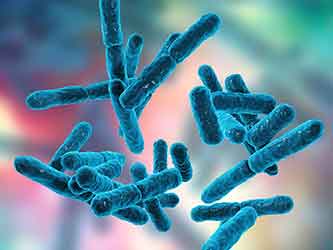
A narrative review encompassing the last five years of research highlights the potential benefits of these therapies for individuals with ASD. Evidence suggests that both probiotics and prebiotics may alleviate GI disturbances and positively influence behaviors associated with autism. The proposed mechanisms of action include modulation of inflammatory signaling pathways, metabolic processes, neuronal signaling, and interactions with the vagus nerve.
Despite the promising findings, the current body of research remains largely inconclusive, relying heavily on animal studies rather than robust human trials. This underscores the need for improved standardization in clinical research to establish stronger evidence for the clinical use of probiotics and prebiotics in managing ASD symptoms. [NPID: Probiotics, prebiotics, Autism Spectrum Disorder (ASD), gastrointestinal issues]
Year: 2024