Navigation



Gastrointestinal microbiota imbalance and sensory processing dysregulation in Autism Spectrum Disorder: a systematic review
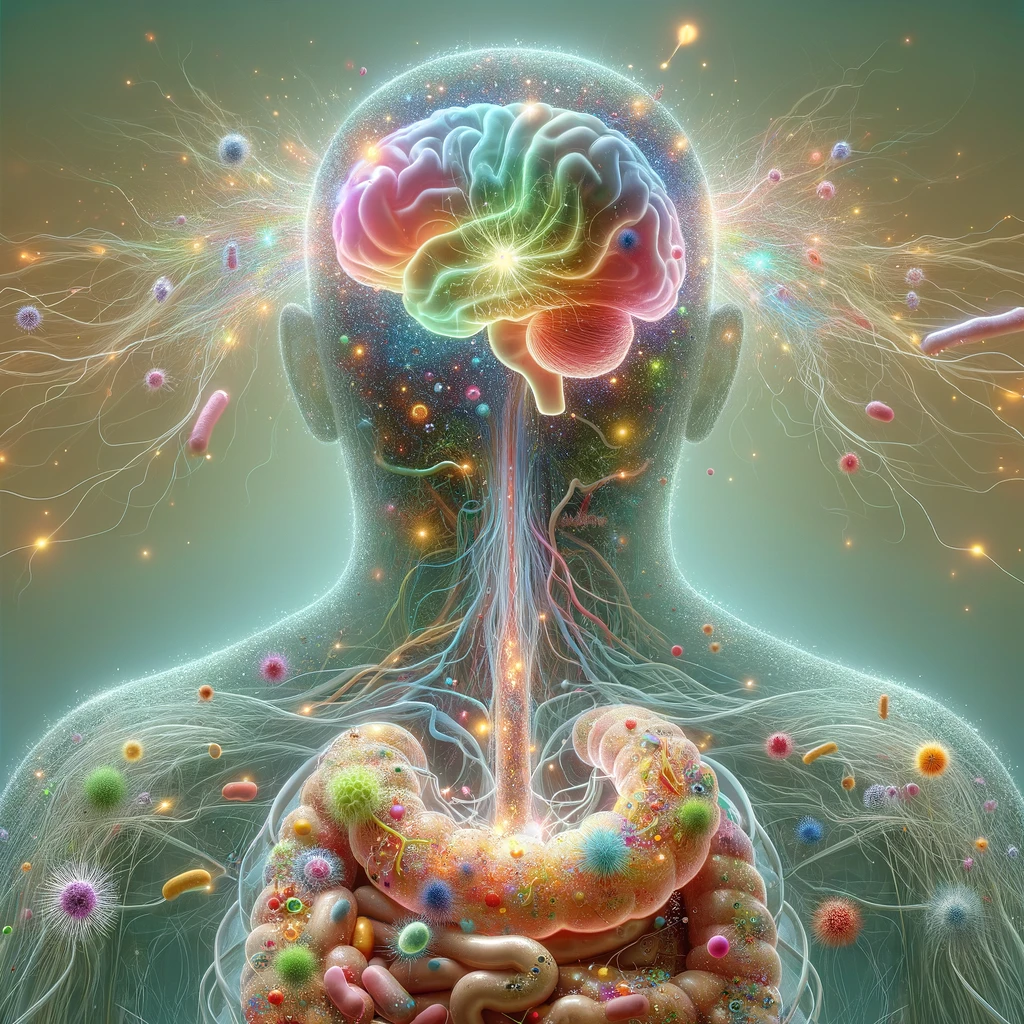
Autism spectrum disorder (ASD) is recognized as a neurodevelopmental condition that involves difficulties in social interaction and the presence of repetitive behaviors. A significant number of individuals diagnosed with ASD also report gastrointestinal issues alongside sensory processing challenges. Recent studies have indicated that microbial dysbiosis—an imbalance in the gut microbiota—may contribute to these accompanying conditions.
This systematic review investigates the associations among gut microbiota composition, gastrointestinal symptoms, sensory processing discrepancies, and dietary habits in individuals with ASD, while also considering potential bidirectional relationships and the impact of dietary interventions on the microbiota. Publications from 2011 to 2026 were sourced from databases including PubMed, Scopus, Web of Science, and Google Scholar. Only intervention and observational studies specifically addressing gut microbiota, gastrointestinal symptoms, and sensory processing in ASD were included.
The review highlights that many individuals with ASD exhibit gastrointestinal symptoms, variations in sensory processing, restricted dietary habits, and distinct gut microbiota profiles. However, most studies considered were cross-sectional, limiting the ability to draw conclusions about causal relationships or temporal sequences.
The current body of evidence suggests a potential bidirectional link between gastrointestinal and sensory symptoms and microbial composition. Various factors, including sensory symptoms, dietary preferences, stool consistency, medication use, and clinical characteristics, might influence gut microbiota profiles. Preliminary interventions targeting the microbiome showed some promise in improving specific outcomes, though this is tempered by small sample sizes, methodological heterogeneity, and potential biases across studies.
While changes in microbiota composition appear to correlate with gastrointestinal symptoms, difficulties with sensory regulation, and dietary patterns in ASD, the evidence does not confirm microbial dysbiosis as a primary causal factor. Instead, reverse causation is possible, in which sensory sensitivities or eating behaviors could influence the food environment, thereby affecting microbiota composition. Further longitudinal studies and well-designed randomized controlled trials are necessary to clarify these relationships and the effectiveness of microbiome-targeted interventions. [NPID: autism spectrum disorder, ASD, gut microbiota, microbial dysbiosis, gut-brain axis, gastrointestinal symptoms, sensory processing, sensory sensitivities, dietary habits, restricted eating, food selectivity, microbiome-targeted interventions, bidirectional relationship, neurodevelopmental disorder]
Year: 2026