 Navigation



YouTube Still Recommending Harmful Eating Disorder Content to Teens
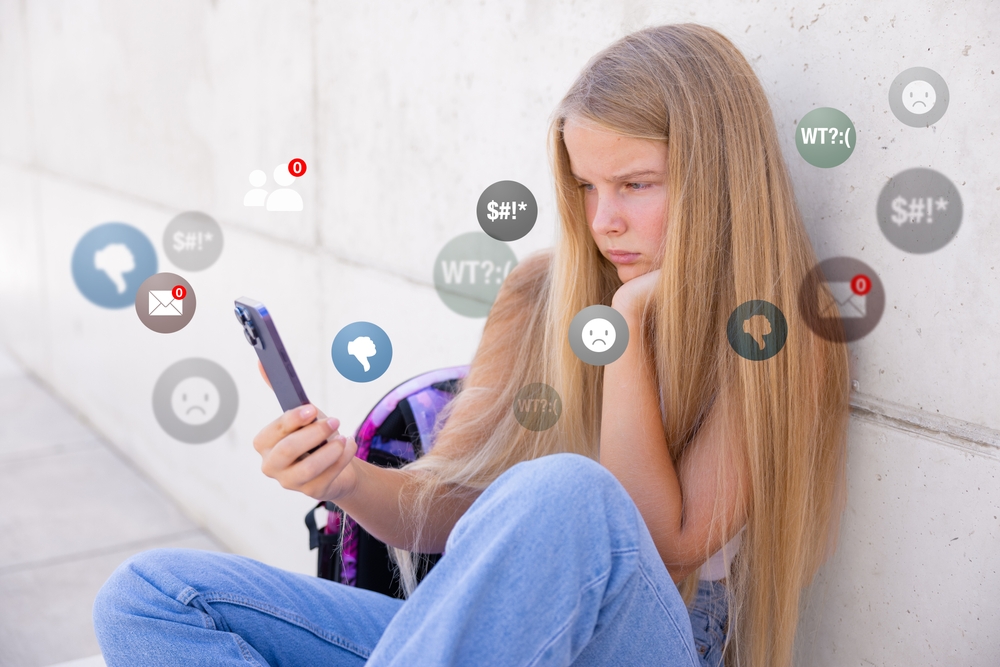

Despite regulatory changes aimed at reducing harmful online content, recent findings reveal that YouTube is still suggesting videos related to eating disorders to teenage users. Although there has been some improvement since earlier assessments, researchers emphasize the ongoing risk such content poses to vulnerable individuals.
Research Findings on YouTube’s Recommendations
The Centre for Countering Digital Hate (CCDH) conducted a study involving a simulated account for a 13-year-old girl, observing how YouTube’s Up Next algorithm recommended content after the user engaged with potentially unsafe diet and body image videos. In this research, approximately 10% of the subsequent recommendations were found to feature harmful material, such as thinspiration and extreme calorie restriction, marking a notable improvement compared to earlier findings where 25% of suggestions were classified as dangerous.
Regulatory Context and Algorithm Adjustments
This study comes in the wake of the UK’s Online Safety Act, which established a legal obligation for platforms like YouTube to protect users under 18 from harmful content. The Act, effective July 2025, requires social media companies to consider the implications of their algorithms on young audiences and implement measures to mitigate associated risks. Nonetheless, despite regulatory intentions, significant work remains to ensure that platforms effectively safeguard young users from distressing content.
Personal Impact: Experiences of Vulnerable Users
Individuals affected by eating disorders express mixed feelings about the role of social media in their experiences. For instance, Jazmin Kaur, who has battled anorexia since age 13, highlighted the influence of online content on her mental health. She reported that while some material was constructive, much of it adversely affected her recovery, increasing her vulnerability. Driven by her own challenging experiences, she ultimately deleted her social media accounts to create a healthier environment.
Concerns and Future Directions
Despite some advancements in content moderation, experts like Alexandra Johnson from the CCDH argue that any harmful video suggestion remains unacceptable, particularly for susceptible users. The study also indicated that none of the harmful content recommended triggered crisis panels, which are designed to provide support resources. In contrast, other non-harmful diet videos did display these panels, showcasing a need for more systematic safeguards across the platform.
THE CNP TAKEAWAY
While some progress has been made in reducing exposure to harmful content for teens on YouTube, challenges still persist. It is crucial for social media platforms to actively refine their recommendation systems to protect vulnerable audiences from detrimental materials.
Images courtesy of Shutterstock.
This article was prepared by CNP based on the new article entitled “YouTube still recommending eating disorder videos to teenage users,” authored by BBC News. Read the original news article on bbc.com. For more relevant studies, view the Diet, Emotional Eating and Disorders research category in the NPRL.


