Navigation


Impact of produce prescriptions on diet, food security, and cardiometabolic health outcomes: A multisite evaluation of 9 produce prescription programs in the United States
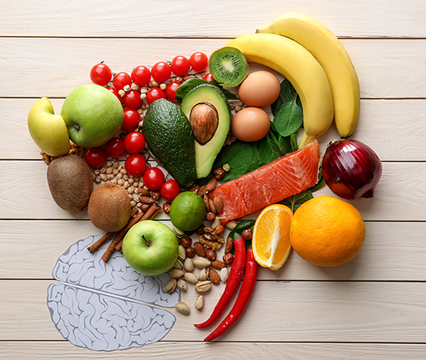
Produce prescriptions may increase fruit and vegetable (F&V) intake and decrease food insecurity, which may enhance cardiometabolic health. However, their effects on clinical outcomes and health status have not been studied in extensive, multisite studies. Individual-level data from 22 produce prescription sites throughout 12 US states from 2014 to 2020 were used in this multisite, pre- and post-evaluation by Hager et al. (2023). 2064 adults aged 18 or older and 1817 children between the ages of 2 and 17 who had, or were at risk for, poor cardiometabolic health from clinics that served low-income neighborhoods were included in the study. Programs offered cash incentives (median: $63/month; duration: 4–10 months) to encourage consumers to buy fruits and vegetables at supermarkets or farmers’ markets. Intake of F&V, food security, and self-reported health were all evaluated by surveys. Clinics examined blood pressure, glycated hemoglobin, body mass index (BMI), and BMI z-score. Following a median involvement of 6 months, analysis of the results revealed that the daily consumption of F&V rose in adults and children by 0.85 and 0.26 cups, respectively. For both adults and children, the likelihood of food insecurity decreased by one-third, and an increase in the likelihood that self-reported health status would be improved by one level. Glycated hemoglobin dropped by 0.29% age points in people with glycated hemoglobin below 6.5%; systolic and diastolic blood pressures fell by 8.38 mm Hg and 4.94 mm Hg, respectively; and BMI decreased by 0.36 kg/m2 in adults with overweight or obesity. BMI z-scores, however, did not show any changes. The authors concluded that producing prescriptions were found to significantly improve adults’ and children’s food security, F&V intake, and health status, as well as show clinically significant improvements in blood pressure, glycated hemoglobin, and BMI in adults with poor cardiometabolic health. [NPID: Diet, nutrition, fruits, vegetables, blood pressure, glycated hemoglobin, adults, children, BMI, food security]
Year: 2023