Navigation


The trajectory from mood to obesity
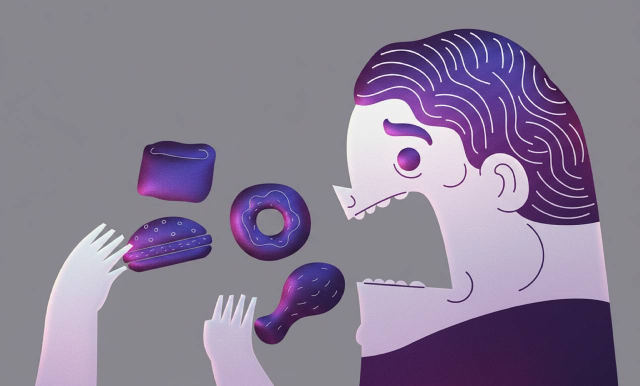
This 2018 review aimed at describing and explaining the relationships between mood disturbances and the development of obesity, also exposes the recent findings that obesity can arise from the likes of depression, anxiety, PTSD, and severe stresses, not only through “carbohydrate craving” (consuming foods high in carbohydrates and fats to enhance brain serotonin synthesis and alleviate dysphoria) but also as a side-effect of prescription drugs designed to treat the condition. This review reported that seasonal affective disorder and severe postmenopausal syndrome (PMS) can independently cause patients to overeat foods rich in carbohydrates and fats. Wurtman & Wurtman (2018) believe that obesity caused by drugs or mood disorders associated with “carbohydrate craving” leading to excess calorie intake can be suppressed by dietary measures. [NPID: sugar, processed food, obesity, depression, anxiety, PTSD, stress, craving, PMS, carbs, fats]
Year: 2018