Food components and dietary habits: Keys for a healthy gut microbiota composition
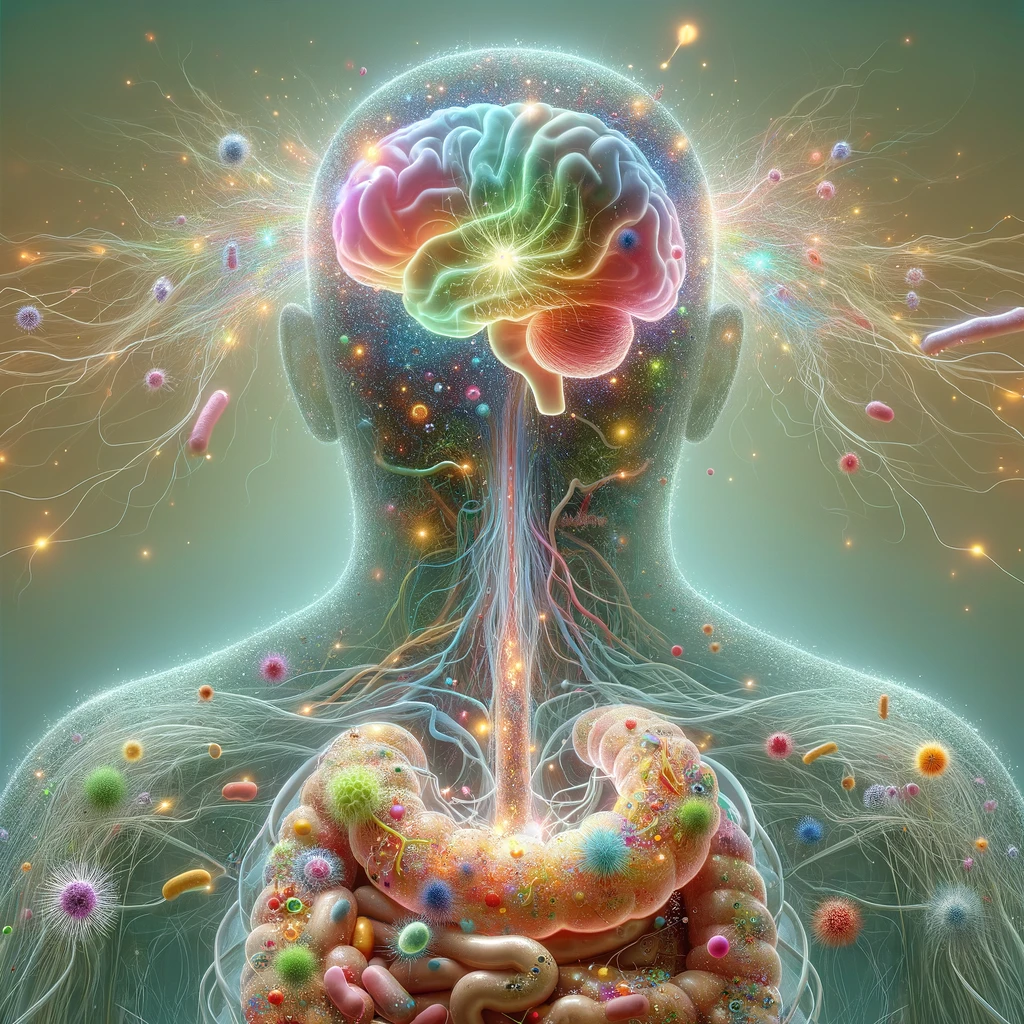
Rinninella et al. (2019) state that the effects of these modern dietary habits and diets have on the microbiota in the gut are not fully understood yet, and it is possible that the intestinal barrier and the immune system can become compromised as a result. The aim of this review was to examine the impact of various components of foods (such as salt and food additives) and of a variety of dietary habits (vegan and vegetarian, gluten-free, ketogenic, high sugar, low FODMAP, Western-type, and Mediterranean diets) on gut microbiota composition, in the hopes of determining the optimal diet for a healthy assortment of gut microbiota. [NPID: microbiome, MGBA, gut-brain axis, gut microbiome, GI tract, intestinal barrier, immune system, salt, food additives]
Year: 2019

Reference: Rinninella, E., Cintoni, M., Raoul, P., Lopetuso, L. R., Scaldaferri, F., Pulcini, G., Miggiano, G., Gasbarrini, A., & Mele, M. C. (2019). Food Components and Dietary Habits: Keys for a Healthy Gut Microbiota Composition. Nutrients, 11(10), 2393. https://doi.org/10.3390/nu11102393
Related Studies
Major depressive disorder (MDD) is one of the diseases that the gut microbiome is suggested to exert a critical role in regarding its pathogenesis, in addition to modulating brain function. As per recent literature, the gut microbiome was found to constantly communicate with the brain—and vice versa—through several neural, endocrine and inflammatory signaling pathways, which […]
This 2016 review examined the influence gut microbiomes have on brain development and neurological function, and the mechanism in which this can lead to mental illnesses. Evidence has emerged that the gut microbiome can have an impact on neural development, cognition and behaviour through gut-brain axis (the bidirectional communication system between the central nervous system […]