

2018
Night eating model shows time-specific depression-like behavior in the forced swimming test
Members only
 Navigation


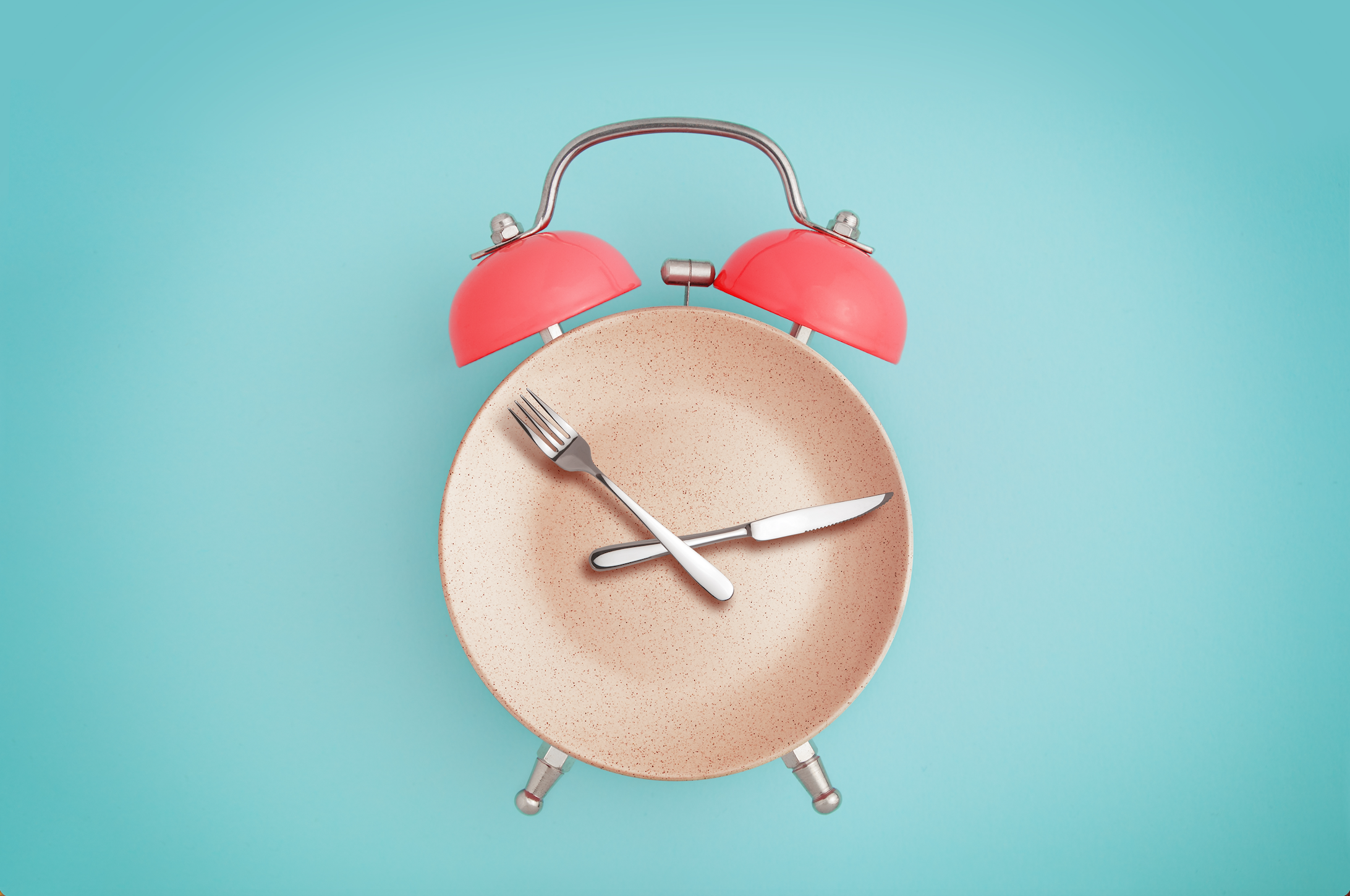

The CNP Dietary Intake Timing (Chrono-nutrition) Research Category consolidates research exploring the frequency and timing of our daily dietary intake. Recent studies suggest that when we eat, termed "chrono-nutrition," may be as important as what we eat (Abdi, et al., 2020). (Dietary Intake Timing)“Chrono-nutrition” is an emerging area of study which refers to eating in coordination with the body’s daily rhythms and has a big impact on feeding behaviors (Di Stefano, 2019). To view each original study on the open internet, click “Original.” To view the CNP-written abstract summary, click “CNP Summary.” While only some of the CNP-written abstract summaries are available below for free, all abstract summaries are available to CNP members through the CNP Library Membership.
Night eating model shows time-specific depression-like behavior in the forced swimming test
Members only
Personality, chrono-nutrition and cardiometabolic health: A narrative review of the evidence
Chrono-nutrition: The relationship between time-of-day energy and macronutrient intake and children’s body weight status
Members only
Shift workers have a similar diet quality but higher energy intake than day workers.
Timing and composition of last meal before bedtime affect sleep parameters of night workers
Association between time restricted feeding and cognitive status in older Italian adults
Members only
Effect of consuming a late-night high-protein/moderate-carbohydrate vs. low-protein/high-carbohydrate meal by night workers on their food perceptions later during the day: A randomized crossover study.
An examination of eating misalignment: The discrepancy between preferred and actual timing of food intake.
Members only
Time restricted feeding and mental health: A review of possible mechanisms on affective and cognitive disorders
