 Navigation


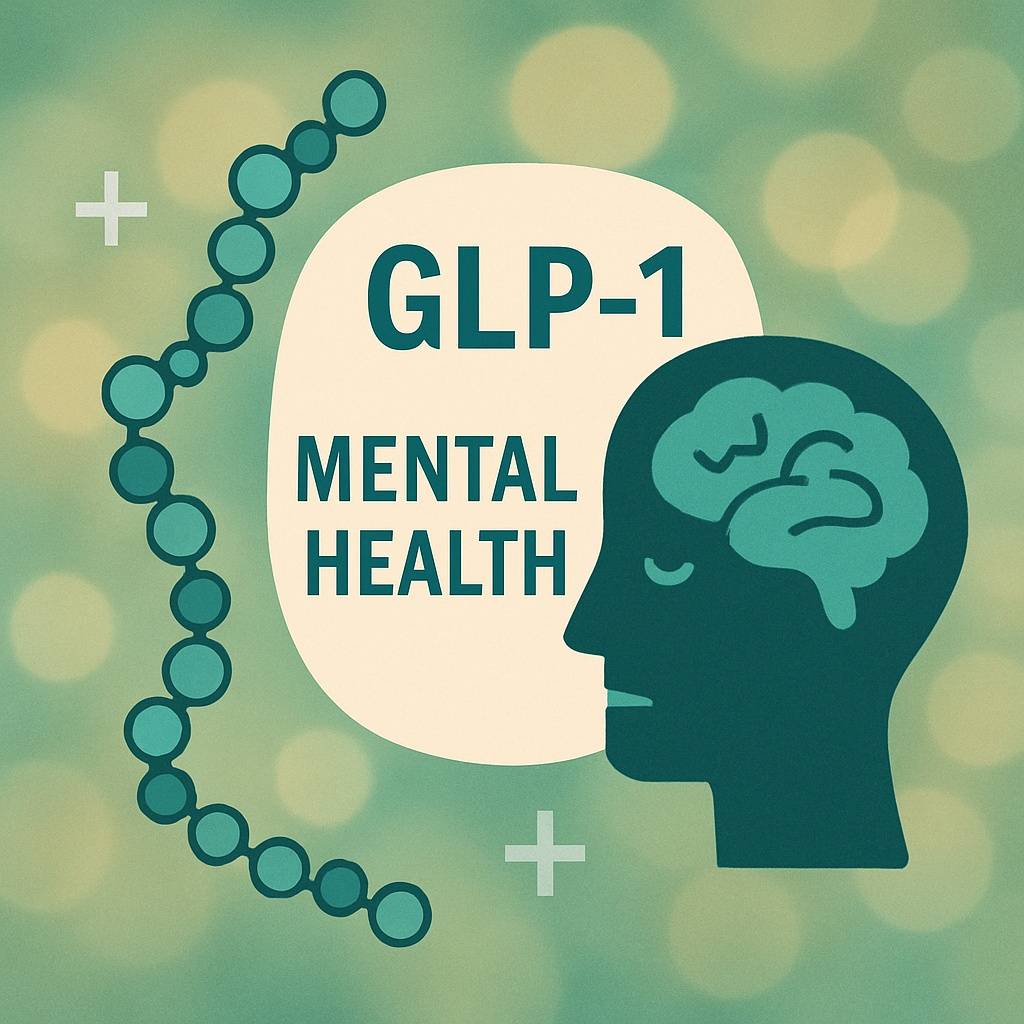
World Health Organization guideline on the use and indications of glucagon-like peptide-1 therapies for the treatment of obesity in adults
Obesity is identified as a chronic, relapsing disease impacting over 1 billion individuals globally, contributing to significant morbidity, mortality, and economic costs. The World Health Organization (WHO) has developed guidelines for the management of obesity, acknowledging its complexity and the necessity for lifelong treatment. These guidelines advocate for early diagnosis and a comprehensive, person-centered strategy that integrates behavioral, medical, surgical, and preventive measures for comorbidities.
Specifically, WHO recommends the long-term use of glucagon-like peptide-1 (GLP-1) therapies in conjunction with intensive behavioral therapy to optimize weight loss and metabolic health outcomes. Both recommendations are categorized as conditional, indicating the effectiveness of GLP-1 therapies, yet underscoring the limitations due to insufficient long-term data, cost implications, health system readiness, equity issues, variability in patient priorities, and contextual feasibility.
The successful implementation of these guidelines hinges on ensuring equitable access to affordable treatment options and the preparedness of health systems, while prioritizing person-centered, nondiscriminatory, and universally accessible care. A transparent and equitable framework is deemed essential for identifying individuals at highest risk, allowing for gradual expansion of treatment eligibility as resources and readiness improve. Ultimately, the guidelines emphasize that medication alone cannot address the global obesity crisis, calling for a concerted effort to create a fair, integrated, and sustainable ecosystem for obesity management, including health promotion and prevention strategies for both the general population and high-risk groups. [NPID: obesity, GLP-1, WHO, therapy]
Year: 2025