Navigation


Studying the impact of nutritional immunology underlying the modulation of immune responses by nutritional compounds – a review
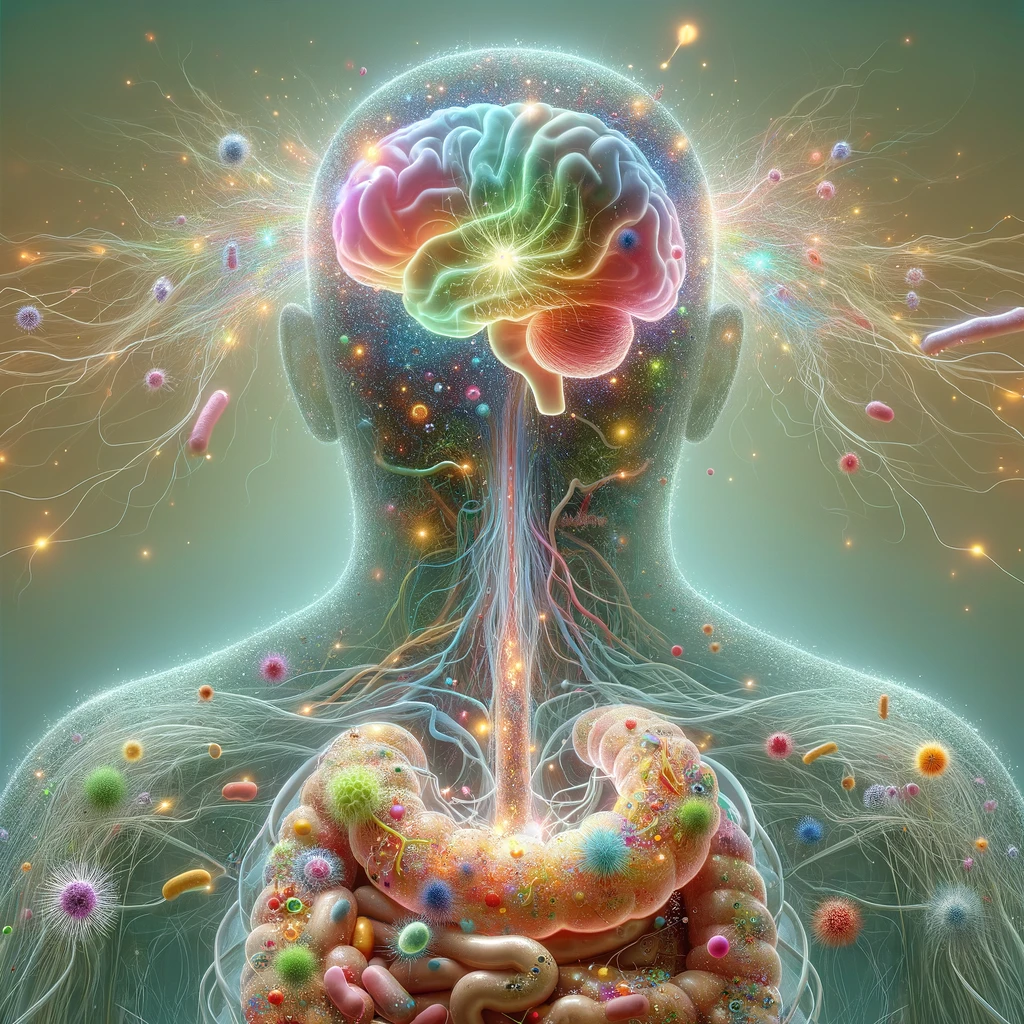
This 2016 paper focuses on the interaction between nutritional compounds and immunity. Nutritional immunology perception is the condition in which a change in nutrient supply modifies the host’s immune response. This has been studied to develop ideas on positively affecting clinical patients who often need to supplement their diet with nutrients. Scientists have shown mechanisms by which immune responses are modulated by compounds such as abscisic acid, conjugated linoleic acid, n-3 poly-unsaturated fatty acids and vitamins A, D and E. Other than providing the body with crucial nutrients, diet can dynamically influence the immune system. Also, over 65% of the immune cells in the body are present in the gut, which technically makes the gut the “largest immune organ”. Thus, these immune receptors stationed in the gut are the main targets of immunomodulation via diet. The most important issue is raising public awareness of the need to consume a balanced level of nutrients. [NPID: nutrients, immunity, nutrition, immune system, disease, supplements, supplementation, gut, vitamins, fatty acids, diet]
Year: 2016