 Navigation


Periconceptional maternal diet characterized by high glycemic loading is associated with offspring behavior in NEST
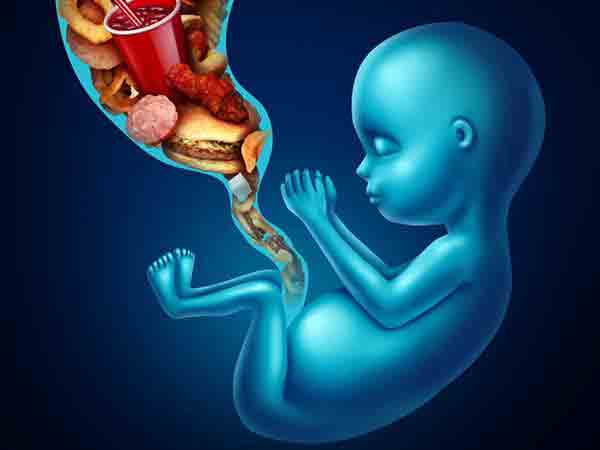
This 2021 study was designed to assess the relationship between maternal periconceptional diets (before or immediately after childbirth) and offspring neurodevelopment. These associations are believed to be related to improper energy/nutrient balances between mother and fetus and altered epigenetics in the offspring due to maternal nutrient and inflammatory status. This study provided pregnant women with a diet consisting of many foods that affect blood glucose levels (high glycemic load) to test its effect on offspring temperament. Mothers that consumed a diet in the top tertile for glycemic load gave birth to offspring that were more likely to be in a higher tertile for anxiety and for inhibition-related behaviors than kids born to mothers that ate a diet with the lowest glycemic load. The offspring were assessed on temperament at an average age of 13.9 months using the Infant-Toddler Social and Emotional Assessment. Interestingly, boys were more likely to exhibit impulsive, anxiety, sleep dysregulation, empathy, and maladaptive behaviors, while it was more probable that girls show increased anxiety-related behaviors. In conclusion, the dietary habits of the mother plays a key factor in determining offspring neurodevelopment. These findings open more opportunities to help prevent impairments in child neurodevelopment. [NPID: glycemic load, diet, maternal diet, behavior, child behavior, neurodevelopment, mothers, pregnancy, childbirth, anxiety, glucose, diabetes, temperament, sleep, empathy]
Year: 2021