 Navigation


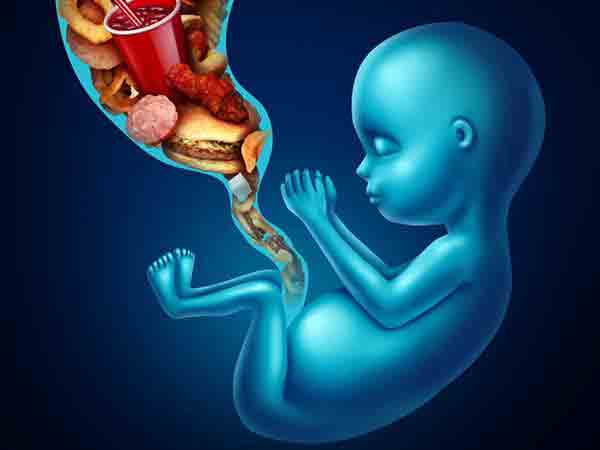
Paternal dietary macronutrient balance and energy intake drive metabolic and behavioral differences among offspring
The diet of parents can impact the characteristics of their offspring, although the specific dietary elements triggering particular responses in the next generation remain unidentified. In this study, Crean et al. (2024) utilized the Nutritional Geometry Framework to examine how the balance of macronutrients in the paternal diet before conception influences the metabolic and behavioral traits of offspring in mice. Male C57Bl6 mice were fed ten different isocaloric diets with varying proportions of fats, protein, and carbohydrates before mating. The female offspring show increased body fat when their fathers consume diets high in fat. At the same time, male offspring exhibit anxiety-like behavior when their fathers consume diets low in protein and high in carbohydrates. The authors conclude that their findings reveal that the paternal impacts on offspring traits depend on the interaction between macronutrient balance and energy intake rather than solely on over- or undernutrition. [NPID: Paternal diet, offspring phenotype, dietary components, nutritional geometry framework, macronutrient balance, metabolic and behavioral traits]
Year: 2024