Obesity and the neurocognitive basis of food reward and the control of intake
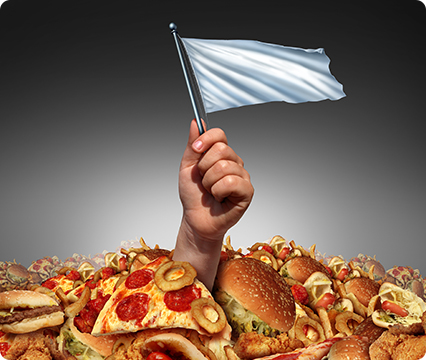
This 2015 review analysed the evidence for the dysregulation of the brain reward system in human obesity, while also considering 2 contrasting perspectives on the control of hedonic eating, in taking control of your intake via higher cognitive control and the loss of discipline observed by the food addiction model. Ziauddeen et al. (2015) also discusses directions for future research and interventions with potential to improve self-control over eating, at the population and individual level. [NPID: sugar, processed food, reward, obesity, hedonic eating, cognitive control, discipline, food addiction, addiction, self-control]
Year: 2015
Reference: Ziauddeen, H., Alonso-Alonso, M., Hill, J. O., Kelley, M., & Khan, N. A. (2015). Obesity and the neurocognitive basis of food reward and the control of intake. Advances in nutrition (Bethesda, Md.), 6(4), 474–486. https://doi.org/10.3945/an.115.008268
Related Studies
The evolving understanding of addiction now includes behaviors such as compulsive eating, particularly in relation to ultra-processed foods (UPFs). These foods, characterized by high levels of refined sugars and saturated fats, may provoke neurobiological reactions similar to those seen in substance use disorders. This article investigates the hypothesis that the mechanisms underlying food addiction are […]
This 2019 review examined the literature on fat addiction, collated data on its physiological and psychological implications, with the focus on addressing the clinical relevance of addiction to fat-rich diets and on discussing the current physiological research directions. While fat in the diet provides us with an important source of energy along with its rewarding […]
 Navigation