Navigation
  • Nutritional psychology
    • Home
    • What is Nutritional Psychology
    • Training in NP
    • About CNP
    • Meet the Team
    • NP FAQs
  • Education
    • Programs
    • Certificates
    • Courses
      • Overview
      • NP 110
      • NP 120
        • NP 120 Part I
        • NP 120 Part II
      • NP 150
        • NP 150 Part I
        • NP 150 Part II
      • NP 300
        • NP 310
        • NP 320
      • NP 500
    • Micro-Degree
    • Course Scholarships
    • Learner Login
  • RESEARCH LIBRARY (NPRL)
    • Library Intro
    • Adult Population
    • Youth Population
      • Child and Adolescent
      • Neurodevelopmental
      • Maternal
      • Cooking
    • Membership
  • Resources
    • CNP Resources
      • Events
      • CNP News
      • Videos
      • Books
      • Reports
    • Encyclopedia
    • CNP Articles
    • Related Resources
    • Newsletter
  • Get Involved
    • Donate
    • Advocate
      • Introduction
      • Students
      • Professionals
      • Educators
      • Organization Advocacy
      • General
    • Be a Contributor
    • Faces of Nutritional Psychology
      • Faces Home
      • Personal Stories
      • Submission Guidelines
    • Newsletter
    • Research Announcement
  • Membership
    • Introduction
    • LOGIN
  • Contact
  • MEMBER LOGIN
  • STUDENT LOGIN
  • Nutritional psychology
    • Home
    • What is Nutritional Psychology
    • Training in NP
    • About CNP
    • Meet the Team
    • NP FAQs
  • Education
    • Programs
    • Certificates
    • Courses
      • Overview
      • NP 110
      • NP 120
        • NP 120 Part I
        • NP 120 Part II
      • NP 150
        • NP 150 Part I
        • NP 150 Part II
      • NP 300
        • NP 310
        • NP 320
      • NP 500
    • Micro-Degree
    • Course Scholarships
    • Learner Login
  • RESEARCH LIBRARY (NPRL)
    • Library Intro
    • Adult Population
    • Youth Population
      • Child and Adolescent
      • Neurodevelopmental
      • Maternal
      • Cooking
    • Membership
  • Resources
    • CNP Resources
      • Events
      • CNP News
      • Videos
      • Books
      • Reports
    • Encyclopedia
    • CNP Articles
    • Related Resources
    • Newsletter
  • Get Involved
    • Donate
    • Advocate
      • Introduction
      • Students
      • Professionals
      • Educators
      • Organization Advocacy
      • General
    • Be a Contributor
    • Faces of Nutritional Psychology
      • Faces Home
      • Personal Stories
      • Submission Guidelines
    • Newsletter
    • Research Announcement
  • Membership
    • Introduction
    • LOGIN
  • Contact
Login
MEMBER LOGIN STUDENT LOGIN
Medicinal Mushrooms & Mental Health

Medicinal Mushrooms & Mental Health (Adult Population)

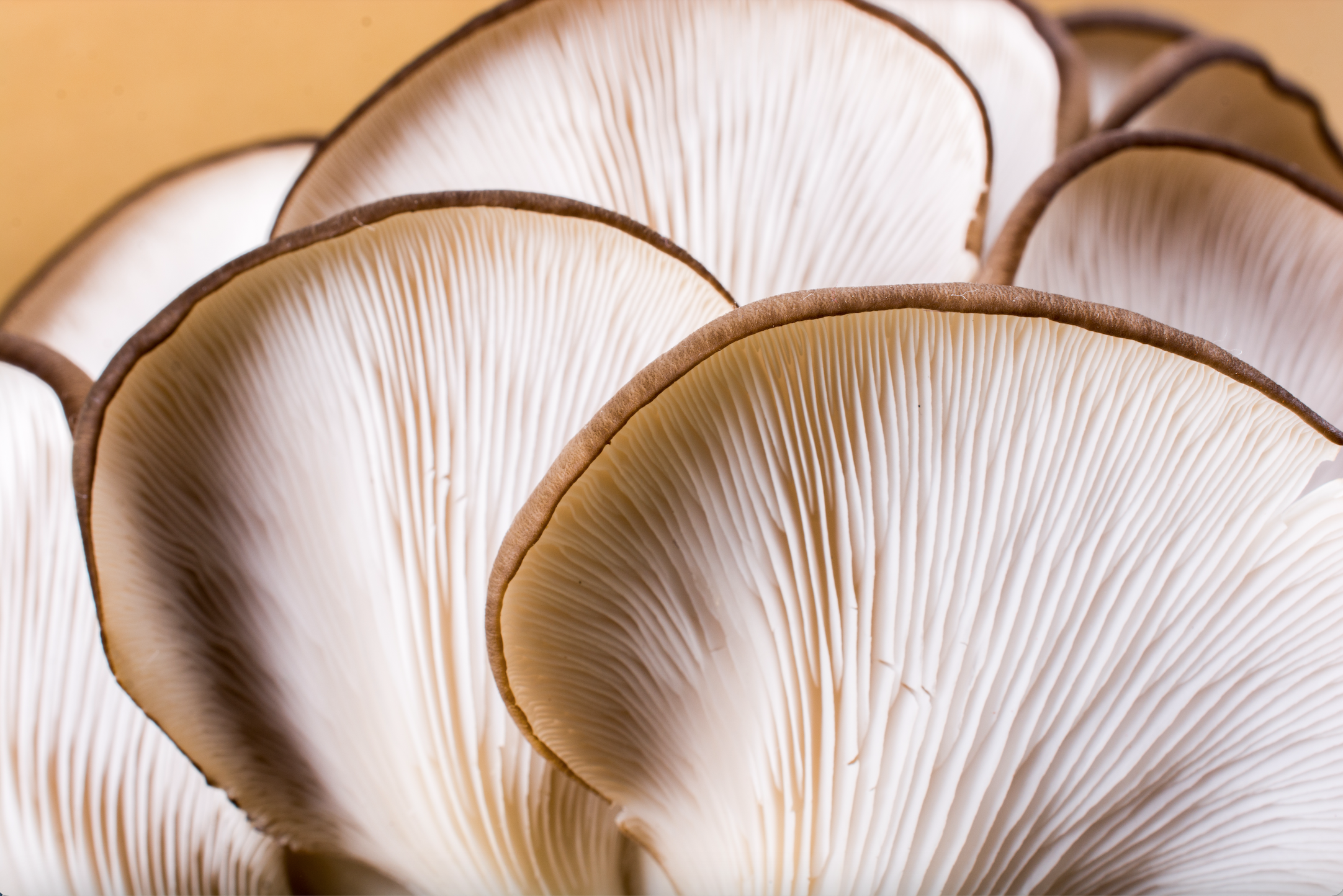
The CNP Medicinal Mushrooms & Mental Health Research Category consolidates research exploring the interconnected relationship between medicinal mushrooms and mental health. Cassidy Axelrod is CNP's Medicinal Mushrooms and Mental Health contributor and is the lead developer of this research category. To view each original study on the open internet, click “Original.” To view the CNP-written abstract summary, click “CNP Summary.” While only some of the CNP-written abstract summaries are available below for free, all abstract summaries are available to CNP members through the CNP Library Membership.

Neuroprotective metabolites of Hericium erinaceus promote neuro-healthy aging

  • Karim Maghraby, M.B.B.Ch, M.Sc, Director
  • 05 December 2021
  • Reviewed By CNP STAFF
Logo

This CNP Research Summary is protected. Become a CNP Library Member to access it.

Share this post:

Related Studies

Mushroom intake and depression: A population-based study using data from the US National Health and Nutrition Examination Survey (NHANES), 2005-2016.

  • Karim Maghraby, M.B.B.Ch, M.Sc, Director
  • 05 December 2021
  • Reviewed By CNP STAFF

Since mushrooms contain vitamin B12, nerve growth factor, and antioxidants (many of which are believed to help reduce anxiety), the aim of this 2021 study was to investigate how eating mushrooms correlate with depression in the United States. The study coordinators hypothesized that mushroom consumption would be linked with a lower risk of depression among […]

Therapeutic potential of hericium erinaceus for depressive disorder

  • Karim Maghraby, M.B.B.Ch, M.Sc, Director
  • 05 December 2021
  • Reviewed By CNP STAFF

This 2019 study explains why Hericium erinaceus, also known as Lion’s mane mushroom, may have a use case in depression. This mushroom has been shown to promote health, exerting antioxidative, antidiabetic, anticancer, anti-inflammatory, and antimicrobial effects. Hericium erinaceus has also been used in the treatment of cognitive impairment, Parkinson’s disease, and Alzheimer’s disease. Certain bioactive […]

Recent Articles

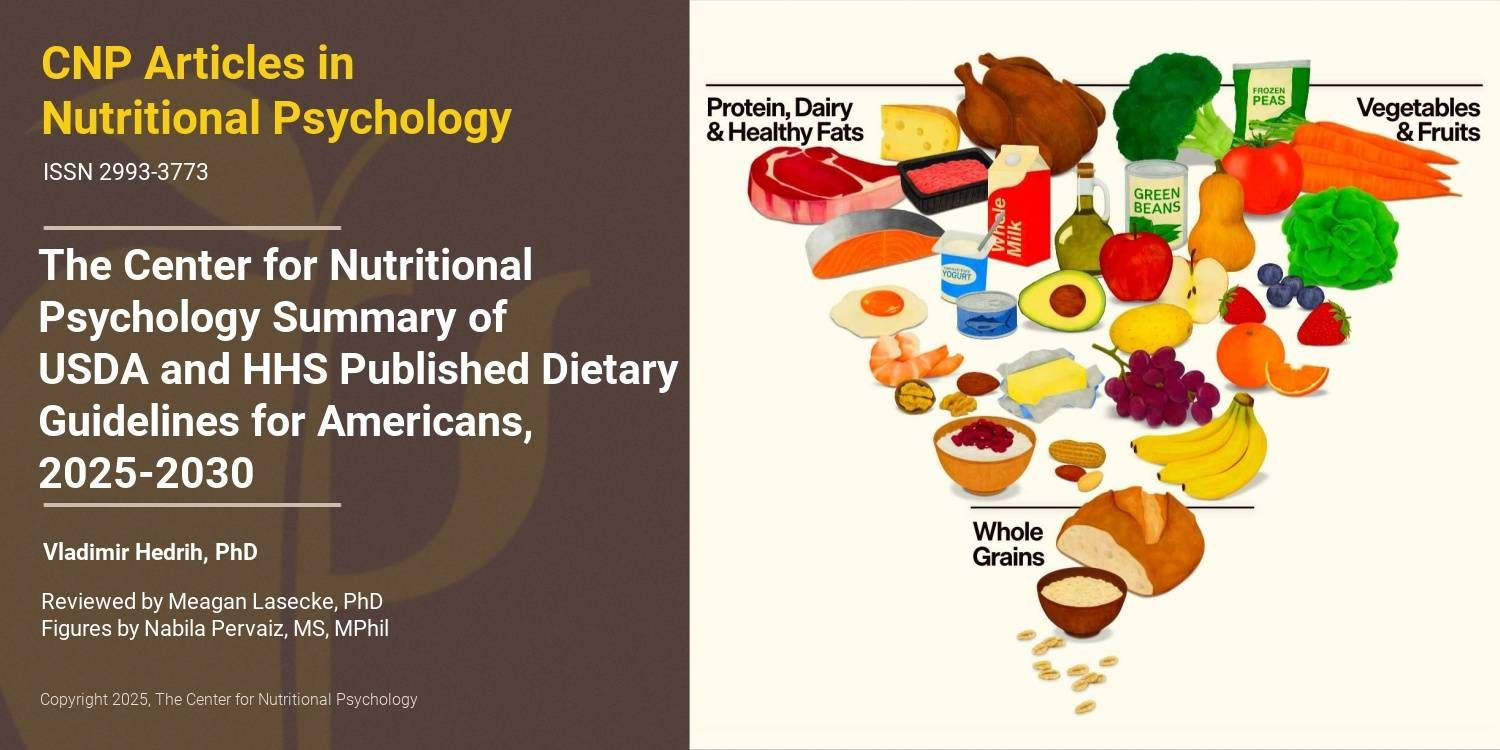
  • The Center for Nutritional Psychology Summary of USDA and HHS Published Dietary Guidelines for Americans, 2025-2030

    The Center for Nutritional Psychology Summary...

    January 31 2026
  • GLP-1RAs Reduce External Eating Behavior in Individuals with Type 2 Diabetes

    GLP-1RAs Reduce External Eating Behavior in...

    December 28 2025
  • Psychological Experiences of Hunger Can Be General or Specific and Depend on Memory

    Psychological Experiences of Hunger Can Be...

    November 10 2025

SUPPORT THE FIELD

CNP is a non-profit that relies on our small team of staff and our many dedicated volunteers.

If you find nutritional psychology meaningful, please consider supporting our mission in one of the following ways:

Donate Advocate

We would also love to connect with you on social media!

  • Home
  • Our Mission
  • NP Libraries
  • Advocate
  • FAQ
  • Donate
  • Terms of Use
  • Privacy Policy
Copyright © 2026 The Center for Nutritional Psychology. A registered 501(c)(3) non-profit organization. Contact us: info@nutritional-psychology.org
By using this website, you accept and agree to our Terms of Use and Privacy Policy. The reproduction and/or use of logos, diagrams, or
written content found on this site without explicit permission from the CNP Board of Directors is strictly prohibited.
avatar

Stay Informed

Subscribe to our monthly NEWSLETTER for the latest information on nutritional psychology courses and developments within CNP.
Quarterly Newsletter
Weekly News in Nutritional Psychology
We use cookies to ensure that we give you the best experience on our website. If you continue to use this site we will assume that you are happy with it.