 Navigation


Mother’s dietary quality during pregnancy and offspring’s dietary quality in adolescence: Follow-up from a national birth cohort study of 19,582 mother-offspring pairs
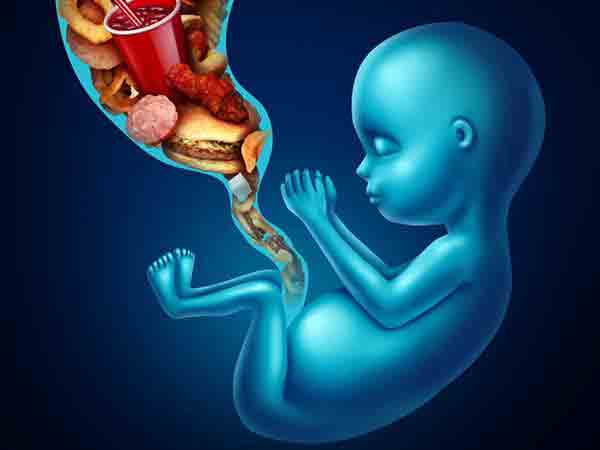
This 2019 study examined the association between maternal diet quality during pregnancy and the diet quality of the child in early adolescence. Data was retrieved from the Danish National Birth Cohort (DNBC), which enrolled 19,582 mother-offspring pairs and assessed dietary intake of the mother during pregnancy and the child at 14 years old. Most mothers (67%) and offspring (76%) were classified as normal weight. Dietary information was inspected for dietary quality using the Healthy Eating Index (HEI). Those participants with higher HEI scores represent those with the most optimal diet. As maternal HEI scores increased, as did the adolescents’ HEI scores. Moreover, the pregnant mothers in the top quartile for HEI scores were more likely to birth a child that belonged in the highest quartile for HEI scores at the age of 14. The effect estimates were not affected after adjusting the analysis model for variables such as maternal pre-pregnancy body mass index (BMI), education, alcohol intake, physical activity, smoking, and breastfeeding, as well as offspring total energy intake and sex. These findings suggest that studies investigating dietary etiologies of diseases should consider separating early dietary exposures from later dietary exposures. [NPID: maternal diet, child development, postpartum depression, neonatal, early adolescence, education, socio-demographic, alcohol, breastfeeding]
Year: 2019