Navigation
  • Nutritional psychology
    • Home
    • What is Nutritional Psychology
    • Training in NP
    • About CNP
    • Meet the Team
    • NP FAQs
  • Education
    • Programs
    • Certificates
    • Courses
      • Overview
      • NP 110
      • NP 120
        • NP 120 Part I
        • NP 120 Part II
      • NP 150
        • NP 150 Part I
        • NP 150 Part II
      • NP 300
        • NP 310
        • NP 320
    • Micro-Degree
    • Course Scholarships
    • Learner Login
  • RESEARCH LIBRARY (NPRL)
    • Library Intro
    • Adult Population
    • Youth Population
      • Child and Adolescent
      • Neurodevelopmental
      • Maternal
      • Cooking
    • Membership
  • Resources
    • CNP Resources
      • Events
      • CNP News
      • Videos
      • Books
      • Reports
    • Encyclopedia
    • CNP Articles
    • Related Resources
    • Newsletter
  • Get Involved
    • Donate
    • Advocate
      • Introduction
      • Students
      • Professionals
      • Educators
      • Organization Advocacy
      • General
    • Be a Contributor
    • Faces of Nutritional Psychology
      • Faces Home
      • Personal Stories
      • Submission Guidelines
    • Newsletter
    • Research Announcement
  • Membership
    • Introduction
    • LOGIN
  • Contact
  • MEMBER LOGIN
  • STUDENT LOGIN
  • Nutritional psychology
    • Home
    • What is Nutritional Psychology
    • Training in NP
    • About CNP
    • Meet the Team
    • NP FAQs
  • Education
    • Programs
    • Certificates
    • Courses
      • Overview
      • NP 110
      • NP 120
        • NP 120 Part I
        • NP 120 Part II
      • NP 150
        • NP 150 Part I
        • NP 150 Part II
      • NP 300
        • NP 310
        • NP 320
    • Micro-Degree
    • Course Scholarships
    • Learner Login
  • RESEARCH LIBRARY (NPRL)
    • Library Intro
    • Adult Population
    • Youth Population
      • Child and Adolescent
      • Neurodevelopmental
      • Maternal
      • Cooking
    • Membership
  • Resources
    • CNP Resources
      • Events
      • CNP News
      • Videos
      • Books
      • Reports
    • Encyclopedia
    • CNP Articles
    • Related Resources
    • Newsletter
  • Get Involved
    • Donate
    • Advocate
      • Introduction
      • Students
      • Professionals
      • Educators
      • Organization Advocacy
      • General
    • Be a Contributor
    • Faces of Nutritional Psychology
      • Faces Home
      • Personal Stories
      • Submission Guidelines
    • Newsletter
    • Research Announcement
  • Membership
    • Introduction
    • LOGIN
  • Contact
Login
MEMBER LOGIN STUDENT LOGIN
Cooking Skills

Cooking Skills (COOKING RESEARCH STUDIES)

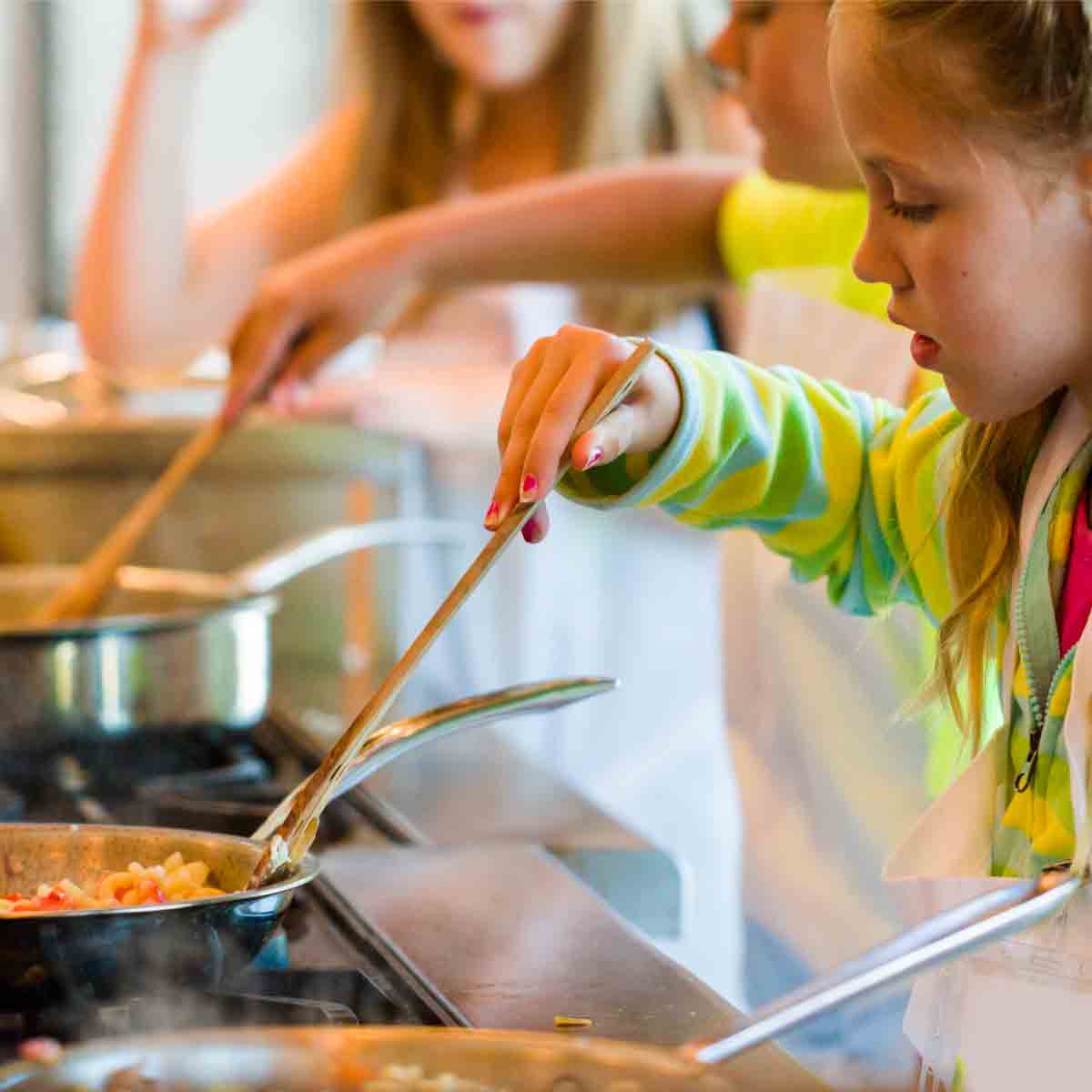
The CNP Cooking Skills Research Category consolidates research exploring the interdependent relationship between cooking skills and child and adolescent dietary intake. To view each original study on the open internet, click “Original.” To view the CNP-written abstract summary, click “CNP Summary.” While only some of the CNP-written abstract summaries are available below for free, all abstract summaries are available to CNP members through the CNP Library Membership.

Modern transference of domestic cooking skills

  • Karim Maghraby, M.B.B.Ch, M.Sc, Director
  • 02 August 2020
  • Reviewed By CNP STAFF
Logo

This CNP Research Summary is protected. Become a CNP Library Member to access it.

Share this post:

Related Studies

Involving children in cooking activities: a potential strategy for directing food choices toward novel foods containing vegetables

  • Karim Maghraby, M.B.B.Ch, M.Sc, Director
  • 02 August 2020
  • Reviewed By CNP STAFF

Allirot et al. (2016) find that although children that are highly involved in food preparation are more likely to have better diet quality, few studies have been conducted on the positive effects of cooking on the food choices made by kids. This present study tested whether involving children in the cooking process influences their consumption […]

Who is teaching the kids to cook? Results from a nationally representative survey of secondary school students in New Zealand

  • Karim Maghraby, M.B.B.Ch, M.Sc, Director
  • 02 August 2020
  • Reviewed By CNP STAFF

Utter et al. (2016) say that little is known about where the current generation of young people are learning to cook. Being involved in home cooking is said to help individuals to discover their identity, develop new skills, and engage with their family socially. However, there are concerns that the young population may not be […]

Recent Articles

  • Women Who Eat Healthier and Reduce Sugar Intake Age More Slowly

    Women Who Eat Healthier and Reduce...

    December 01 2025
  • Psychological Experiences of Hunger Can Be General or Specific and Depend on Memory

    Psychological Experiences of Hunger Can Be...

    November 10 2025
  • A New Framework for Analyzing Food Flavor Perception

    A New Framework for Analyzing Food...

    October 25 2025

SUPPORT THE FIELD

CNP is a non-profit that relies on our small team of staff and our many dedicated volunteers.

If you find nutritional psychology meaningful, please consider supporting our mission in one of the following ways:

Donate Advocate

We would also love to connect with you on social media!

  • Home
  • Our Mission
  • NP Libraries
  • Advocate
  • FAQ
  • Donate
  • Terms of Use
  • Privacy Policy
Copyright © 2025 The Center for Nutritional Psychology. A registered 501(c)(3) non-profit organization. Contact us: info@nutritional-psychology.org
By using this website, you accept and agree to our Terms of Use and Privacy Policy. The reproduction and/or use of logos, diagrams, or
written content found on this site without explicit permission from the CNP Board of Directors is strictly prohibited.
avatar

Stay Informed

Subscribe to our monthly NEWSLETTER for the latest information on nutritional psychology courses and developments within CNP.
Monthly CNP Newsletter
Weekly News in Nutritional Psychology
We use cookies to ensure that we give you the best experience on our website. If you continue to use this site we will assume that you are happy with it.