Navigation


Maternal eating disorders, body mass index, and offspring psychiatric diagnoses
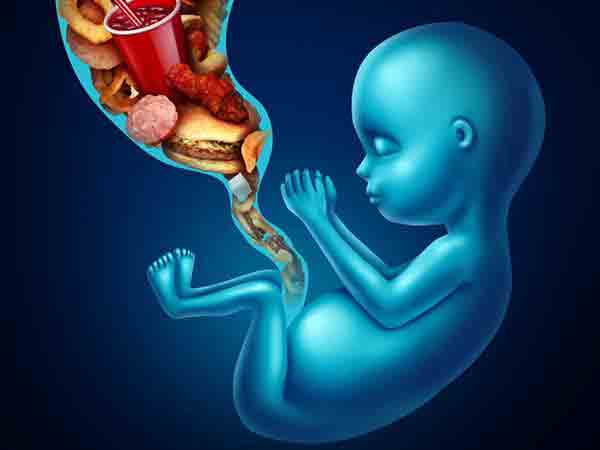
Maternal nutrition plays a critical role in fetal development, meaning that disordered eating can impact this process and potentially lead to psychiatric disorders in offspring. This study by Nilsson et al. (2024) aims to explore the relationship between maternal eating disorders, prepregnancy body mass index (BMI), and psychiatric diagnoses in offspring. This cohort research evaluated live births (2004 to 2014, with a follow-up in 2021) and analyzed data from September 2023 to September 2024 using Finnish government databases. Pregnancy BMI and maternal eating disorders were the exposures taken into account. Nine neurodevelopmental and psychiatric disorders in kids were the main results. Adverse birth outcomes (prematurity, small for gestational age, and poor Apgar scores) and associated eating disorders in kids were the main subjects of secondary analyses. Underweight (BMI <18.5), normal weight (18.5-24.9), overweight (25.0-29.9), obesity (30.0-34.9), and severe obesity (≥35.0) were among the BMI categories. The study included 392,098 mothers with an average age of 30.15 years. Of these, 1.60% had a history of eating disorders, 5.89% were underweight before pregnancy, and 53.13% were overweight or obese. The authors noted that 16.43% of 649,956 children were diagnosed with a neurodevelopmental or psychiatric condition and that even after controlling for confounders, children of mothers who suffer from maternal eating disorders, underweight, or obesity are more likely to develop mental illnesses. The most significant associations were observed between maternal eating disorders and offspring sleep and social functioning disorders, while maternal severe obesity was most strongly linked with intellectual disabilities in children. Adverse birth outcomes further amplified the risk of offspring mental health issues, such as ADHD and conduct disorders, particularly in children of mothers with anorexia nervosa. In this population-based study, the authors conclude that children born to mothers with eating disorders or abnormal prepregnancy BMI were at an elevated risk for psychiatric disorders. The findings suggest that both maternal eating disorders and BMI should be considered in clinical practice to help prevent mental health issues in offspring. [NPID: Maternal nutrition, fetal development, eating disorders, prepregnancy BMI, psychiatric disorders, offspring mental health, neurodevelopmental diagnoses, adverse birth outcomes]
Year: 2024