 Navigation


Maternal diet alters long-term innate immune cell memory in fetal and juvenile hematopoietic stem and progenitor cells in nonhuman primate offspring
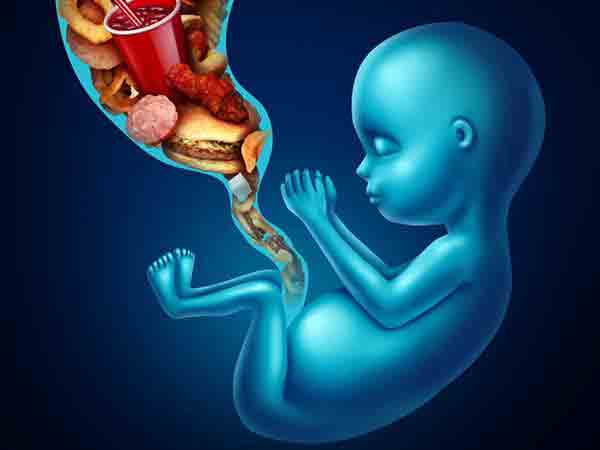
In postnatal children, maternal overnutrition increases the risk of inflammatory and metabolic diseases. Due to the rising incidence of these disorders, this represents a severe public health problem, yet the underlying processes are still unknown. In their study, Nash et al. (2023) demonstrate how exposure to a maternal Western-style diet (mWSD) is linked to enduring pro-inflammatory phenotypes at the transcriptional, metabolic, and functional levels in bone marrow-derived macrophages (BMDMs) from 3-year-old juvenile offspring as well as hematopoietic stem and progenitor cells (HSPCs) from fetal liver and fetal and juvenile bone marrow. Analysis of the results revealed an increase in oleic acid in the fetal and juvenile bone marrow and the liver, linked to mWSD exposure. A scenario in which HSPCs transmit pro-inflammatory memory to myeloid cells starting in utero is supported by assay for transposase-accessible chromatin with sequencing (ATAC-seq) profiling of HSPCs and BMDMs from juveniles exposed to mWSD. The authors conclude that their findings demonstrate how the mother’s nutrition affects the long-term immune cell developmental programming in HSPCs, with potential implications for chronic illnesses characterized by altered immunological/inflammatory activation throughout life. [NPID: Hematopoiesis, western style diet, macrophage, inflammation, DoHaD, obesity, fatty acid, glycolysis, epigenetics]
Year: 2023