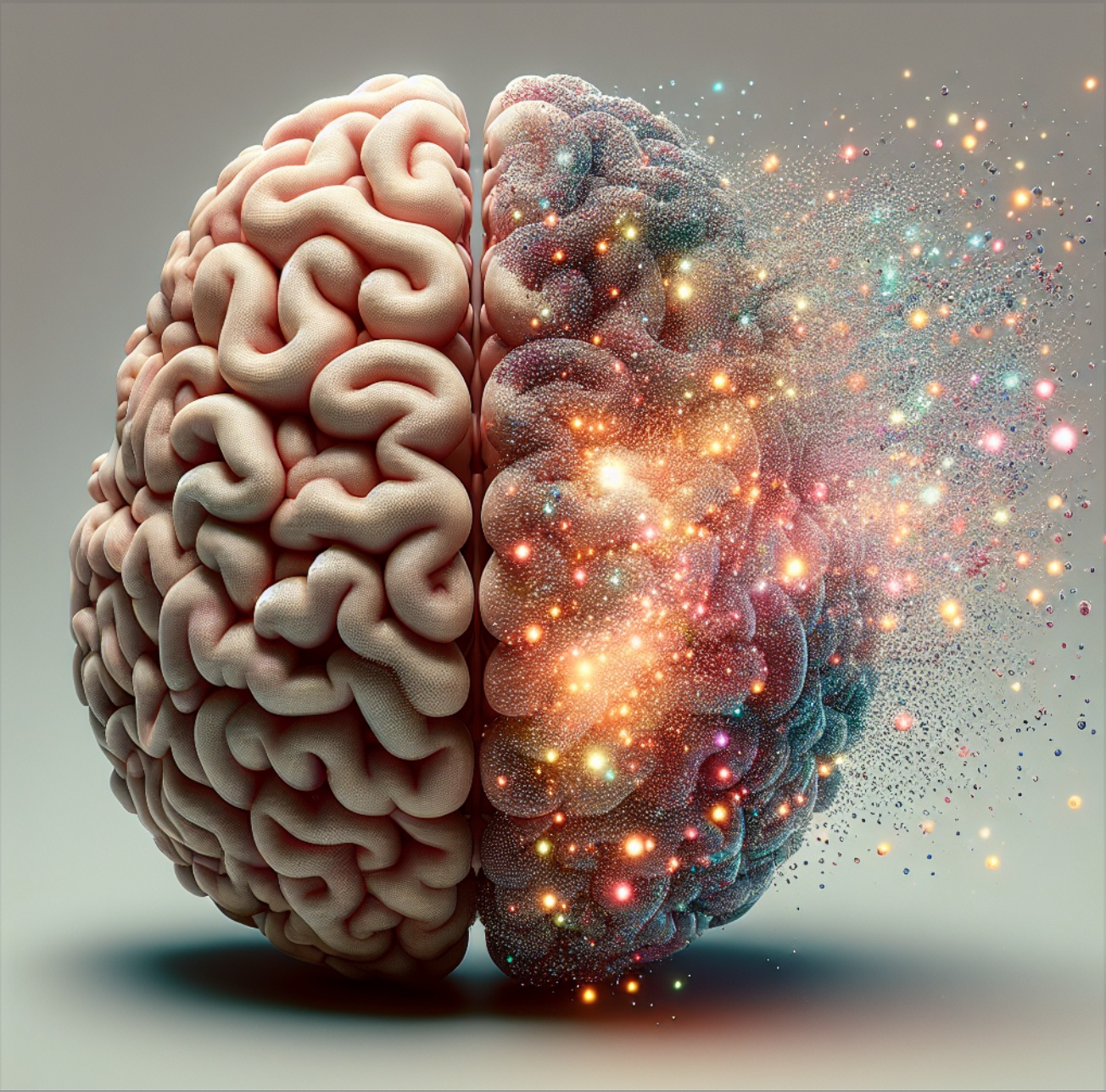
Lifestyle choices and brain health
Mintzer et al. (2019) aimed to provide an overview of evidence from current literature and expert opinion on the key elements associated with preserving brain health as people age, and focused on areas such as mental well-being, exercise, cognitively stimulating activities, sleep, nutrition, and social connectedness. By using the recommendations of the AARP’s Global Council on Brain Health (GCBH) largely as a basis, this review concluded the aforementioned areas of focus offered opportunities for aging individuals to make lifestyle adjustments to positively affect brain health. [NPIDs: aging, elderly, cognitive decline, neurodegenerative disorders, dementia, well-being, exercise, sleep nutrition, social connection]
Year: 2019
Reference: Mintzer, J., Donovan, K. A., Kindy, A. Z., Lock, S. L., Chura, L. R., & Barracca, N. (2019). Lifestyle Choices and Brain Health. Frontiers in medicine, 6, 204. https://doi.org/10.3389/fmed.2019.00204
Related Studies
This 2020 narrative review aimed to present the existing research on the efficacy of the Mediterranean diet (MedDi) and Ketogenic Diet (KD) against Alzheimer’s Disease (AD)-related cognitive decline and explore the proposed mechanism of action of this protective effect. Vinciguerra et al. (2020) state that there is not a single dietary pattern that has unequivocally […]
The aim of this 2019 narrative article was to provide practical guidance for healthcare professionals working with older adults experiencing mood disorders, and to raise awareness of some existing health issues. Harbottle (2019) found it imperative that the rise in occurrence of physical illness and of mood disorders among older adults are addressed. She believes […]
 Navigation