 Navigation



Ultra-processed foods and human health: The main thesis and the evidence
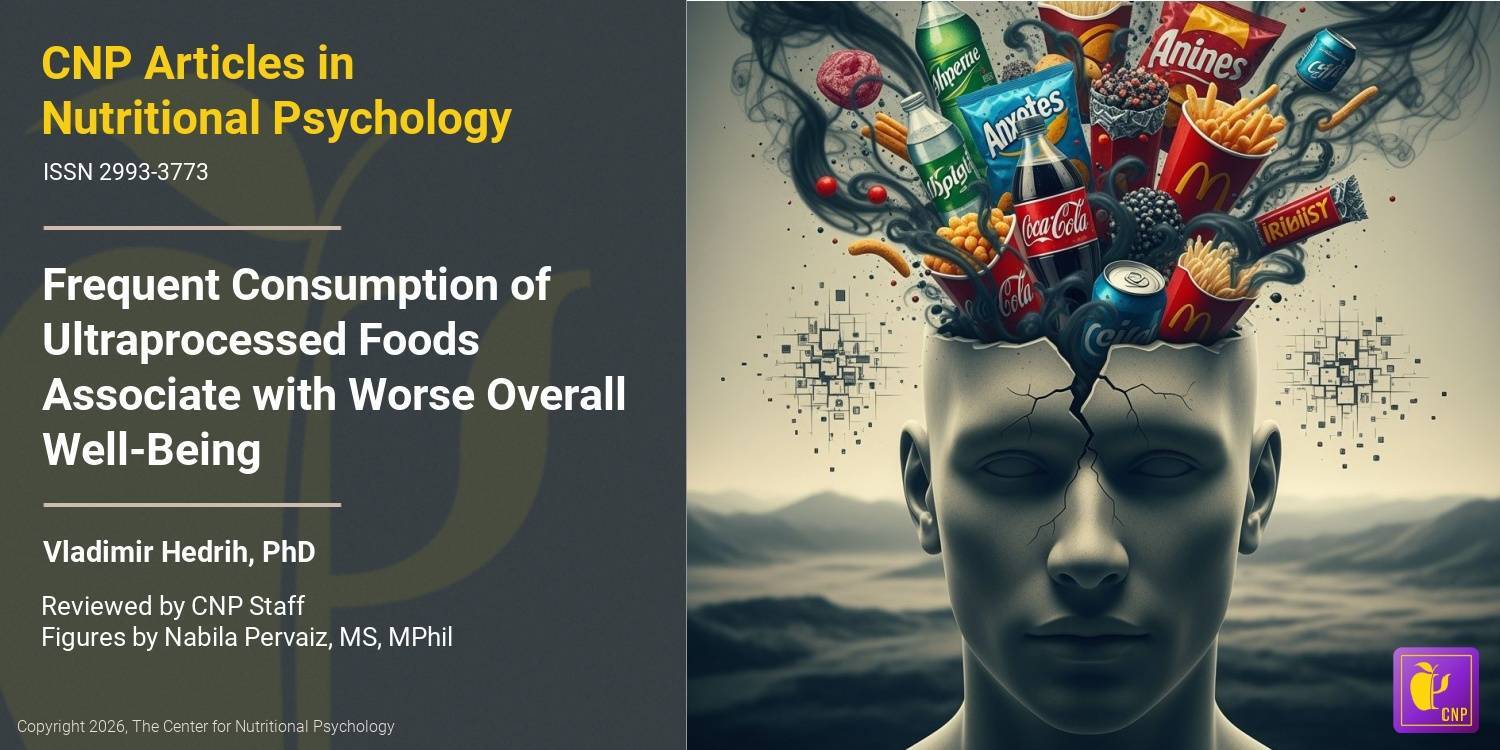
This first paper in a three-part Lancet Series integrates narrative and systematic reviews with original analyses and meta-analyses to evaluate three primary hypotheses regarding dietary patterns centered on ultra-processed foods. The first hypothesis posits that ultra-processed foods are replacing traditional diets that focus on whole foods and culinary preparation. This assertion is supported by extensive national food intake and purchase surveys, alongside recent global sales data.
The second hypothesis suggests that this dietary shift leads to a decline in diet quality, particularly concerning chronic disease prevention. Evidence from national food intake surveys, large cohort studies, and interventional studies indicates significant nutrient imbalances, overeating driven by the high energy density and hyper-palatability of ultra-processed foods, a decrease in the intake of health-protective phytochemicals, and an increase in harmful compounds, endocrine disruptors, and questionable food additives.
The final hypothesis contends that the consumption of ultra-processed foods heightens the risk of various diet-related chronic diseases through multiple mechanisms. This claim is corroborated by over 100 prospective studies, meta-analyses, randomized controlled trials, and mechanistic research, revealing adverse health outcomes across almost all organ systems.
Overall, the evidence strongly supports the conclusion that the replacement of traditional dietary patterns with ultra-processed foods significantly contributes to the rising global incidence of diet-related chronic diseases. Two accompanying papers in this Series propose policy measures and broader public health strategies aimed at promoting, protecting, and supporting diets rich in fresh and minimally processed foods, thereby preventing the encroachment of ultra-processed foods. [NPID: ultra-processed foods, chronic disease, diet quality, whole foods]
Year: 2025