Navigation



The dynamics of eating behaviors and eating environment in college students: discrepancies between app-tracked dietary intake and self-perceived food consumption
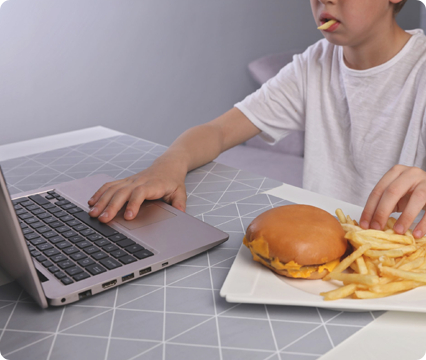
This research examines how the eating environment influences dietary intake among young adults, particularly focusing on the effects of social contexts and formal dining settings. Conducted with 41 American college students aged 18 to 25, the study utilized the Nutritionix app for dietary logging and daily surveys to capture self-perceived eating behaviors, mood, and stress levels over a four-week period, accumulating 3,168 eating occasions. Findings indicate that participants consumed significantly more calories when dining with two or more companions and in formal settings compared to solitary or home dining. Interestingly, daily surveys revealed that participants perceived their intake to be lower in these social and formal contexts. Gender differences were notable, with males exhibiting higher caloric intake in social settings, while females tended to underreport their consumption in formal dining environments. The study also identified that factors such as body mass index (BMI), mood, and stress levels played a role in influencing eating behaviors. Overall, this research quantifies the relationship between dietary intake and eating environments, emphasizing the complex interplay of individual, interpersonal, and environmental factors. It highlights the necessity for personalized and context-sensitive dietary interventions, while also noting the discrepancies between app-logged data and survey-reported intake, which should be considered in dietary intervention designs. [NPID: Eating behavior, environment, social, context-sensitive]
Year: 2025