 Navigation


Healthy prenatal dietary pattern and offspring Autism
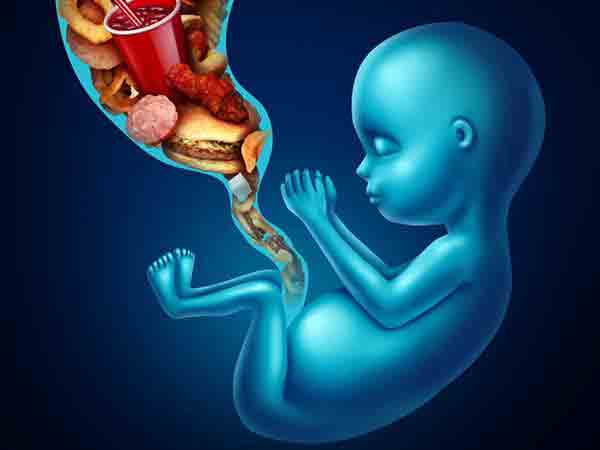
Prenatal diet may have a causal relationship with autism; however, existing findings are inconsistent, largely due to limited research involving small sample sizes and retrospective designs. This study by Friel et al. (2024) looked at two sizable prospective cohorts: The Norwegian Mother, Father, and Child Cohort Study (MoBa – conducted in Norway) and the Avon Longitudinal Study of Parents and Children (ALSPAC – conducted in the southwest of England) to determine the relationships between prenatal food patterns and autism diagnosis as well as autism-related features. The study’s participants were women who self-reported their meal frequency on a questionnaire and had singleton pregnancies. MoBa recruited participants between 2002 and 2008, while ALSPAC recruited participants between 1990 and 1992, with follow-ups for children until age 8 or older. Recruitment rates were 41% (95,200 of 277,702 eligible pregnancies) for MoBa and 72% (14,541 of 20,248 eligible pregnancies) for ALSPAC. Factor analysis (February 1st, 2022 – August 1st, 2023) demonstrated a healthy prenatal diet and categorized it into three levels of adherence: low, medium, and high. Social communication issues and repetitive and restricted behaviors were also examined. The main outcomes of MoBa were the diagnosis of autism and high scores on the social communication questionnaire between the ages of three and eight. The social communication problems checklist score at age 8 was the outcome measure in ALSPAC. MoBa included 84,548 pregnancies (mean age 30.2 years; 51.2% male offspring), while ALSPAC had 11,760 pregnancies (mean age 27.9 years; 51.3% male offspring). High adherence to a healthy food pattern was linked in the final adjusted models to lower odds of receiving an autistic diagnosis and social communication problems at age 3 in MoBa and at age 8 in ALSPAC. Other outcomes showed no consistent correlations. According to this cohort study, following a nutritious prenatal diet is associated with fewer chances of receiving an autism diagnosis and having trouble communicating with others, but not with repetitive or restricted behaviors. [NPID: Prenatal diet, Autism, prospective cohorts, MoBa, ALSPAC, dietary patterns, social communication, pregnancy]
Year: 2024