Gut hormones in microbiota-gut-brain cross-talk
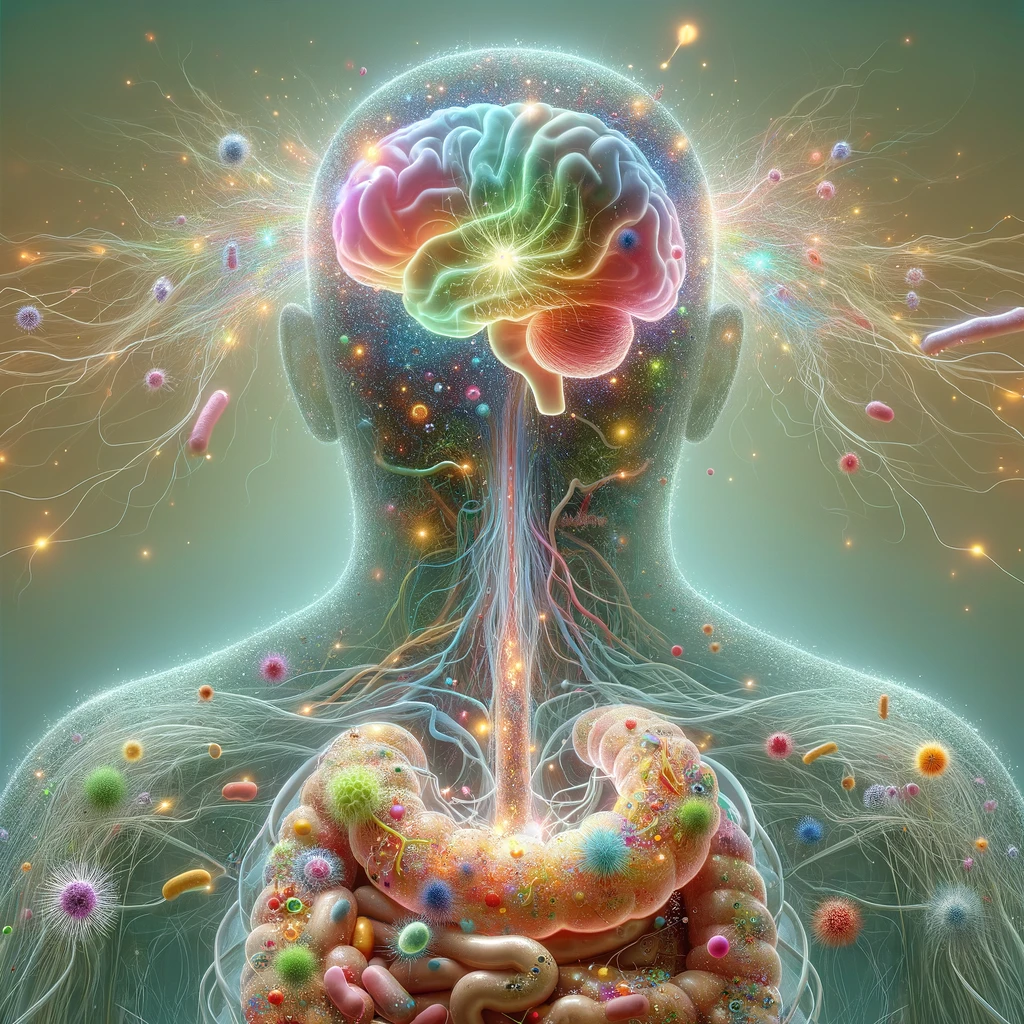
This 2020 review explains the influential role of gut microbiota in the gut-brain axis, focusing on the regulation of physiological functions by the microbiota-related gut hormones. These gut hormones are signalling molecules released by enteroendocrine cells present all over the gastrointestinal tract, and can play a crucial part in maintaining health. The gut microbiota itself are essential in the modulation of several gut-brain axis-related diseases, ranging from gastrointestinal disorders to psychiatric diseases. Sun et al. (2020) encouraged future studies to utilize this microbiota-hormones-gut brain axis in the development of novel therapeutics for psychiatric and gastrointestinal disorders, such as obesity, anxiety, and depression. [NPID: microbiome, MGBA, gut-brain axis, gut microbiome, GI tract, psychiatric diseases, obesity, anxiety, depression]
Year: 2020

Reference: Sun, L. J., Li, J. N., & Nie, Y. Z. (2020). Gut hormones in microbiota-gut-brain cross-talk. Chinese medical journal, 133(7), 826–833. https://doi.org/10.1097/CM9.0000000000000706
Related Studies
Discriminating experiences are linked to poor health consequences, including obesity. The exact processes by which prejudice causes obesity are yet unknown. Zhang et al. (2023) examined the effects of discriminating exposures on the brain’s responsiveness to food pictures and related dysregulations in the brain-gut-microbiome pathway using multi-omics studies of neuroimaging and fecal metabolites. The authors […]
The microbiota-gut-brain axis facilitates bidirectional communication between the gut microbiota and the brain, primarily mediated by the vagus nerve (VN), a crucial component of the parasympathetic nervous system. Comprising 80% afferent and 20% efferent fibers, the VN plays a pivotal role in interoceptive awareness, sensing microbiota metabolites and conveying this information to the central nervous […]