Navigation


Early-life nutritional programming of cognition—The fundamental role of epigenetic mechanisms in mediating the relation between early-life environment and learning and memory process
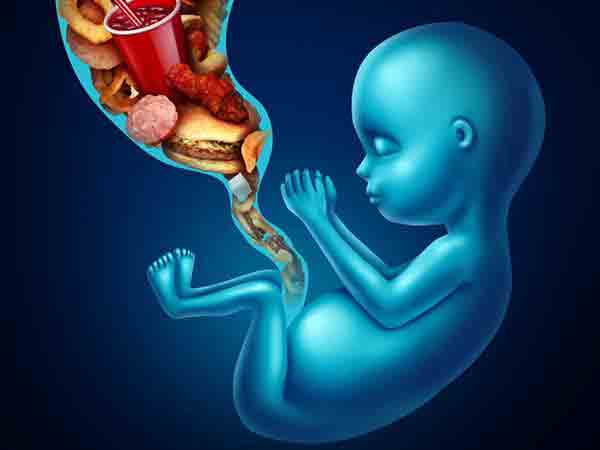
Moody et al. (2017) explain that maternal diets play a crucial role in the maturation of vital organs and the establishment of neuronal connections, especially during the perinatal stage (either immediately before or after giving birth). If the perinatal diet is deficient in certain micro- or macronutrients, or if it contains excessive amounts of calories, it can lead to devastating long-term effects. The brain is particularly sensitive while the fetus is still in the woman’s uterus, with poor environment being linked with several neurologic and psychiatric disorders. It has even been proposed that autism, schizophrenia, and Alzheimer disease may have been partly influenced by environmental factors. This review discusses how early-life diets may shape the offspring’s cognitive ability, investigating the endocrine and immune mechanisms responsible for these phenotypes, and debating how systemic factors interact to alter the brain and regulate learning as well as memory across the lifespan. Gaining additional knowledge on the maternal programming of cognition may lead to more strategies being developed to prevent and treat diseases that compromise learning and memory. [NPID: maternal diet, child development, postpartum depression, pregnancy, perinatal stage, micronutrients, macronutrients, autism, schizophrenia, Alzheimer’s, Alzheimers, endocrine, immunity, phenotypes, learning, memory]
Year: 2017