 Navigation



Association between dietary phytochemical index, inflammation and oxidative stress with sleep duration and sleep quality in Iranian adults
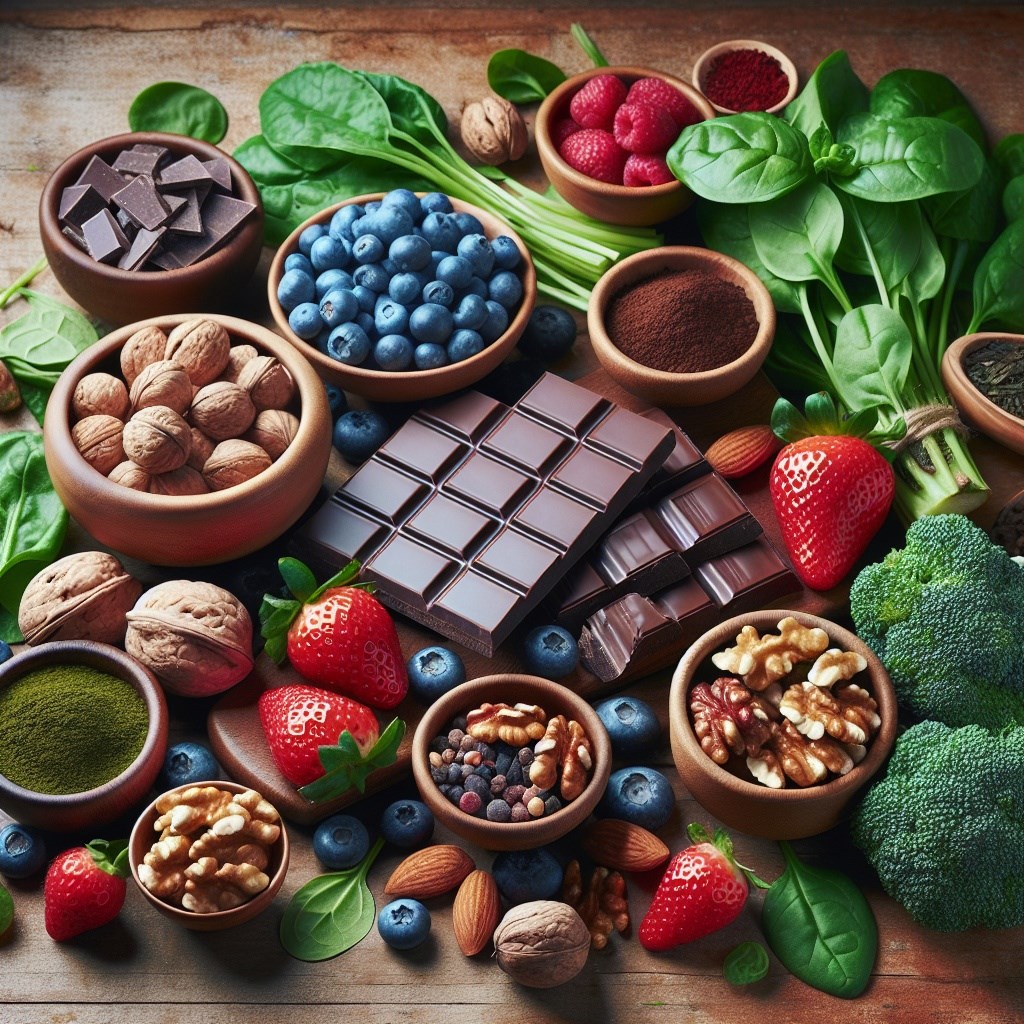
This cross-sectional study aimed to elucidate the relationship between the dietary phytochemical index (DPI) and sleep quality/duration, alongside oxidative stress and inflammatory biomarkers, in a cohort of 535 Iranian adults (54% male, mean age 42.6 years). Sleep quality and duration were assessed using the Pittsburgh Sleep Quality Index, and dietary intake was evaluated using a 168-item food-frequency questionnaire. The DPI was calculated as the percentage of energy intake from phytochemical-rich foods.
Results indicated that participants in the highest tertile of DPI exhibited 43% lower odds of experiencing short sleep duration and 53% lower odds of poor sleep quality. An inverse association was noted between DPI and specific sleep quality domains, including sleep latency and sleep disturbances. Additionally, higher DPI scores were linked to marginally lower odds of short sleep duration among overweight/obese individuals and males. A significant inverse relationship was observed between DPI and poor sleep quality in normal-weight subjects and females.
Furthermore, a marginally inverse association was found between each tertile increment in DPI and hs-CRP levels. Individuals with good sleep quality had lower serum MDA levels than those with poor sleep quality. However, no significant associations were observed for SOD, GPX, and hs-CRP levels with sleep quality. The findings suggest that higher DPI scores are associated with lower odds of short sleep duration and poor sleep quality, with MDA and hs-CRP potentially serving as intermediate factors in this association. [NPID: Sleep, phytochemical, dietary phytochemical index, oxidative stress, sleep quality]
Year: 2026