 Navigation


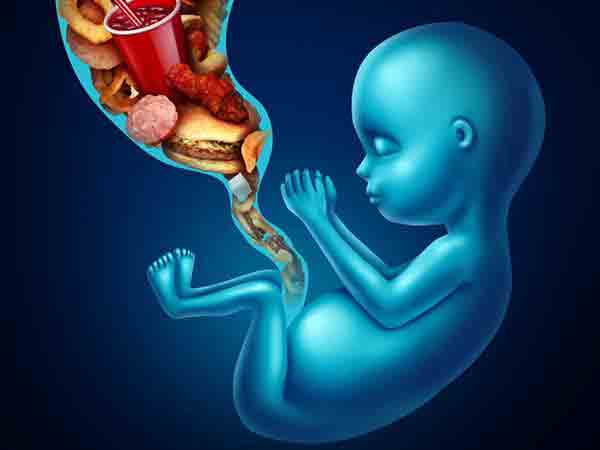
Dietary patterns before and during pregnancy and birth outcomes: A systematic review
Raghavan et al. (2019) conducted this systematic review to gain insight into the influential role of the mothers’ diet before and during pregnancy on fetal growth and several birth outcomes. The aim was to determine the association between dietary patterns before and during pregnancy with gestational age at birth, and with weight at birth (while accounting for gestational age and sex). Limited but consistent evidence suggests that there is a correlation between certain dietary patterns and lower risk of preterm birth and spontaneous preterm birth. These dietary patterns with potentially protective effects are higher in vegetables, fruits, whole grains, nuts, legumes, seeds, and seafood (preterm birth only), as well as lower in red and processed meats, and fried foods. The sample used were mostly healthy Caucasian women with access to health care. However, the data from the studies did not allow the researchers to arrive at a conclusion on the relationship between dietary patterns during pregnancy and birth weight outcomes. There was also not enough evidence on the connection between dietary patterns before pregnancy and the two outcomes (age and weight at birth). The main conclusion drawn was that maternal dietary patterns may be associated with a lower preterm and spontaneous preterm birth risk. [NPID: maternal diet, child development, postpartum depression, fetal growth, birth weight, gestational age, Caucasian]
Year: 2019