 Navigation


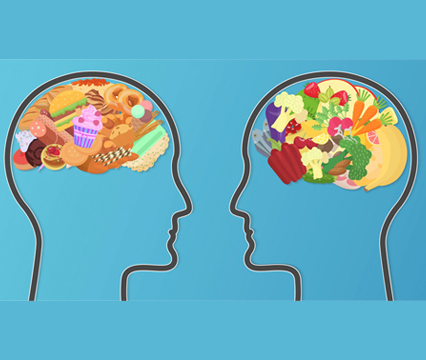
Cognitive function and consumption of fruit and vegetable polyphenols in a young population: is there a relationship?
The link between polyphenols in fruits and vegetables and cognitive function in young people was explored in this review. Carrillo et al (2019) focused particularly on memory (immediate and working) and attention (sustained and selective). The mechanism in which polyphenols exert their positive cognitive effect is discussed in this paper. Neuronal plasticity is increased in the hippocampus part of the brain and thus pathways of signaling and transcription factors (ERK/Akt) are modulated. Also, blood flow to the cerebrum is enhanced, as well as levels of nitric oxide and oxygenation in the blood. [NPID: cognition, fruits, vegetables, FV intake, cognitive function, young people, memory, working memory, immediate memory, attention, sustained attention, selective attention, polyphenols, neuronal plasticity, hippocampus, cerebrum, nitric oxide, oxygenation]
Year: 2019