Stress, depression, diet, and the gut microbiota: Human-bacteria interactions at the core of psychoneuroimmunology and nutrition
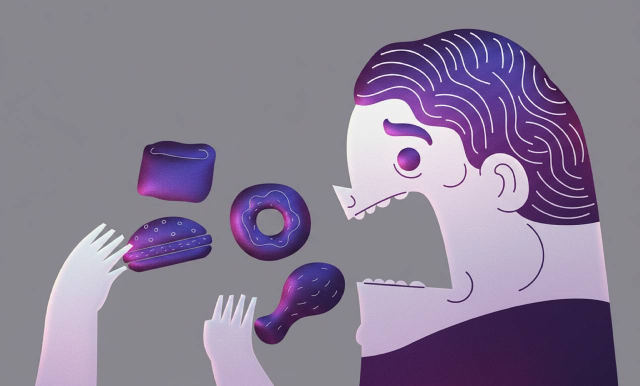
This 2019 review presents findings from human studies to explain the bidirectional relationships between stress, diet, and the gut bacteria, and their effect on immune function and health. Stress and depression can modulate the composition of gut microbiota, which can lead to changes in eating behaviors e.g. promoting intake of highly palatable foods, and alter mood due to the release of metabolites, toxins and neurohormones. It has been proposed that probiotics supplementation may attenuate the increased stress responsiveness and heightened depression risk induced by the gut bacteria.
[NPID: stress, diet, gut bacteria, microbiome, gut microbiota, gut-brain axis, palatable foods, metabolites, toxins, neurohormones, probiotics, depression]
Year: 2019
Reference: Madison, A., & Kiecolt-Glaser, J. K. (2019). Stress, depression, diet, and the gut microbiota: human-bacteria interactions at the core of psychoneuroimmunology and nutrition. Current opinion in behavioral sciences, 28, 105–110. https://doi.org/10.1016/j.cobeha.2019.01.011
Related Studies
Dietary intake was found to play a role in neurotransmission homeostasis, which would imply that mental well-being and responses to stress are susceptible to the influence of diet. In this study by McKenna et al. (2021), the authors examined the links between perceived stress and dietary intake to understand how diet influences psychological stress in […]
The excretion of glucocorticoids (prominent physiological stress hormones) is linked to levels of urinary sodium. Consuming large quantities of sodium in the diet is commonplace, and is linked to negative cardiovascular outcomes. In this study by Costello et al. (2022), the authors investigated the impact of a high salt diet on the function of the […]
 Navigation